Decipher Tech | World Pioneers of Ecommerce Management
Published on July 8, 2024
Neurodesign: Incorporating Cognitive Science into User Experience Design
Neurodesign integrates cognitive science with UX design to create intuitive and engaging products. It enhances usability and user satisfaction by aligning design with human cognitive processes.
Anika Sarder
LinkedIn & Marketing Specialist, Decipher Tech
Introduction
What is Neurodesign?
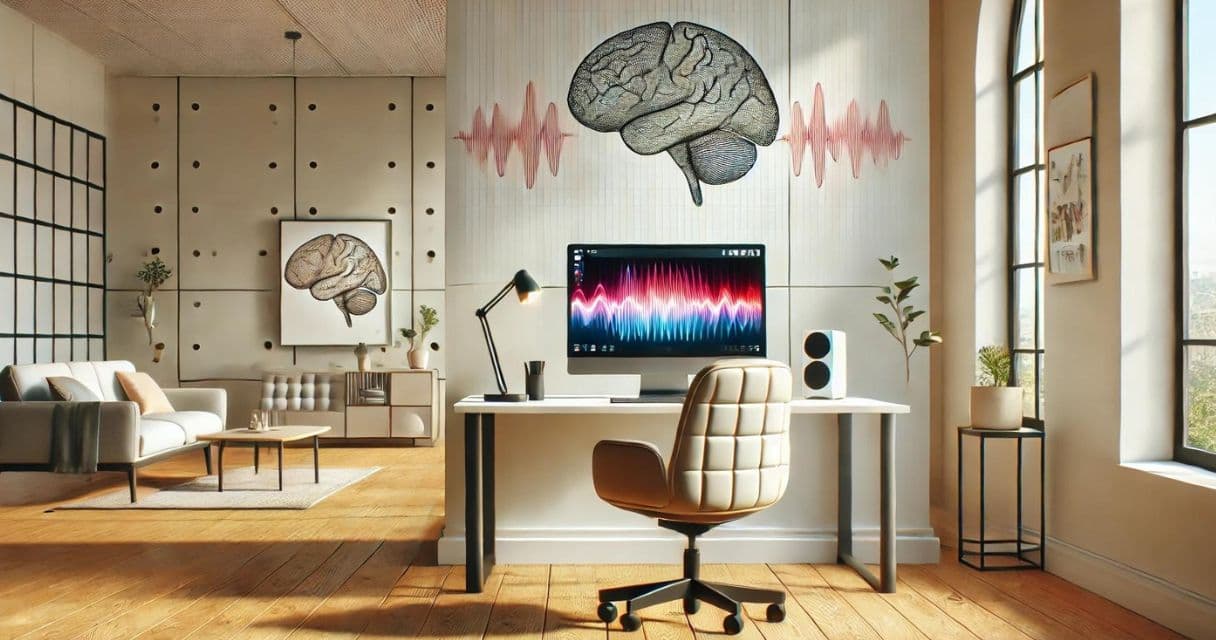
Neurodesign merges the insights of cognitive science with the methodologies of user experience (UX) design to create products that deeply resonate with users' unconscious preferences and cognitive functions. This interdisciplinary approach leverages our understanding of how the brain processes information to enhance user interactions with technology. By aligning design principles with neurological insights, neurodesign facilitates more intuitive and engaging digital environments. It acts as a bridge between technological functionality and human psychology, aiming to optimize user satisfaction and efficiency in interaction. Through such synergy, neurodesign not only improves the aesthetic of user interfaces but also their functional intuitiveness, making technology more accessible and enjoyable for all users. By delving into the subtleties of human cognition, designers can craft experiences that are not only visually appealing but also deeply aligned with natural human behavior and expectations. This results in a seamless integration of technology into daily life, fostering a more intuitive connection between users and their digital tools.
Incorporating cognitive science into UX design isn't just beneficial—it's essential. As digital environments become more complex, understanding the cognitive processes that govern human interaction with technology can lead to designs that are more intuitive, effective, and satisfying for users. This deep dive into the human psyche allows designers to anticipate user needs and create interfaces that cater to those needs effortlessly. By considering how users perceive, understand, and interact with digital interfaces, designers can reduce friction and enhance engagement. This approach not only improves user satisfaction but also boosts overall usability, making it crucial for crafting future-proof digital experiences. Additionally, applying cognitive science in UX design facilitates the creation of more personalized and adaptive systems that can dynamically adjust to individual user preferences and behaviors, ultimately fostering a more inclusive digital world where technology serves a broader range of human diversity.
Core Concepts of Neurodesign
Key Cognitive Principles in UX Design
Attention: Design can direct users' attention to important information through layout, color, and contrast. Effective use of these elements ensures that critical information is easily noticeable, enhancing user navigation and interaction. Strategic placement of visual cues can guide the user's journey through an application or website, making the overall experience more intuitive and engaging.
Memory: Good UX design considers cognitive load and uses techniques to aid in information retention and recall. By simplifying interfaces and grouping related information together, designers can enhance memory efficiency. Utilizing mnemonic devices and repetition within the UX can further bolster memory recall, making the interface easier to use and more user-friendly over time.
Perception: Understanding sensory processing allows designers to tailor experiences that align with how users perceive and interpret stimuli. This entails designing with sensory compatibility in mind, such as using audio cues alongside visual alerts to accommodate different processing styles. By creating multisensory experiences, UX designers can cater to a wider audience and improve the accessibility of their designs.
By applying these principles, designers can craft experiences that not only capture and hold user attention but also enhance comprehension and retention of information. For example, consistent and predictable design patterns can reduce cognitive load and make interfaces easier to navigate. This consistency helps build user confidence as they learn to anticipate the layout and interaction patterns, leading to a smoother user experience. Additionally, clear and intuitive design can significantly decrease the time it takes for users to achieve their goals, increasing overall efficiency and satisfaction. This approach not only benefits typical users but also supports those with varying cognitive abilities, ensuring inclusivity and accessibility in digital products. Further, by leveraging well-established design principles, designers can create a visual hierarchy that naturally guides the user through a digital experience, focusing their attention on key elements without overwhelming them. This strategic placement of content and functionality fosters an environment where users can engage with the product effectively and without unnecessary distraction.
Applications of Neurodesign in UX
Real-World Examples
Companies like Apple and Google have successfully integrated neurodesign principles into their products. Apple’s minimalistic design aesthetics reduce cognitive overload, enhancing focus and decision-making. Google’s Material Design mimics the physical world to exploit users' innate perceptual abilities, making the interaction more intuitive. This application of neurodesign principles has allowed both companies to set industry standards, with interfaces that are not only aesthetically pleasing but also optimized for user comfort and efficiency. The subtle integration of cognitive insights into their design processes ensures that products are not overwhelming and remain user-friendly, regardless of the complexity behind them. Additionally, this approach has led to increased customer loyalty, as users tend to prefer products that are easier to use and understand, demonstrating the profound impact of cognitive-friendly design on market success. Furthermore, by continuously refining their design strategies based on ongoing cognitive research and user feedback, these companies can adapt and evolve their products to meet changing user needs and expectations. This dynamic approach helps maintain a competitive edge in the tech industry, where user experience often dictates the success or failure of a product.
Impact on User Engagement
These implementations have shown significant improvements in user satisfaction and engagement. Products that are easier to understand and use naturally lead to higher user retention and loyalty. This positive impact on user experience translates into better reviews, more referrals, and increased sales, as satisfied customers are more likely to recommend products they find user-friendly and effective. Furthermore, the reduced learning curve associated with these intuitive designs means that users can become proficient with new technologies more quickly, enhancing their overall experience. This efficiency not only benefits the individual user but also scales up to organizational levels, where streamlined interactions can lead to significant productivity gains. Additionally, by fostering a positive user experience, companies can decrease the frequency of customer support calls and inquiries, which in turn reduces operational costs and enhances the overall efficiency of the business. This holistic improvement in user engagement and retention further solidifies the brand's reputation, making it a leader in providing superior user experiences.
Incorporating cognitive science into UX design offers numerous benefits:
Enhanced usability: Intuitive designs that align with human cognitive processes are easier to use. Such designs minimize user frustration and increase the likelihood of successful interactions, leading to a more satisfying experience. This can be achieved by employing familiar visual cues and interaction patterns that align with natural human behavior.
Better user retention: Engaging and accessible designs keep users coming back. By creating a pleasant and memorable user experience, businesses can cultivate loyalty and a strong user base. Effective UX design encourages repeat visits by reducing barriers to entry and making the user feel valued and understood.
Increased accessibility: Consideration of diverse cognitive abilities makes products usable by a broader audience. This includes designing for users with visual, auditory, motor, or cognitive impairments, which not only complies with legal standards but also opens up markets to individuals who are often overlooked by traditional design processes. By implementing universal design principles, companies can ensure that their products serve a wide range of needs and preferences.
Research and case studies from UX pioneers like Don Norman and Jakob Nielsen provide empirical evidence that designs grounded in cognitive science principles significantly enhance user experiences. Their work demonstrates how deeply understanding user behavior and expectations leads to more effective and satisfying interactions. By applying theories from cognitive psychology and human factors, designers can create interfaces that are not just usable but also delightful. This approach has been pivotal in shaping user-centered design, emphasizing the importance of empirical research in validating design decisions and strategies. Moreover, their insights help bridge the gap between theoretical knowledge and practical application, allowing designers to implement strategies that effectively reduce errors, enhance learning, and increase user engagement. By integrating cognitive science, designers can anticipate potential usability issues and preemptively address them, ensuring a smoother user experience and fostering innovation in design practices.
Challenges and Considerations
Potential Challenges
Implementing neurodesign can face challenges like over-simplification, which might omit necessary features, or the cost of conducting in-depth user research. These hurdles can result in products that, while streamlined, may not meet all user needs or capture the full complexity of user interactions. Moreover, the financial and time investments required for thorough cognitive research and testing may deter companies, especially startups and smaller enterprises, from adopting neurodesign principles fully. Overcoming these challenges requires a balanced approach that prioritizes essential features while maintaining simplicity and a commitment to investing in research that genuinely enhances user understanding. Additionally, there may be resistance to change within organizations, especially when it comes to adopting new and potentially unproven methodologies. Successfully integrating neurodesign often entails educating stakeholders about its benefits and demonstrating the potential return on investment through pilot projects and phased rollouts. This strategy can help mitigate risks and build the confidence needed to embrace more comprehensive neurodesign initiatives.
Best practices include continuous user testing, multidisciplinary collaboration, and staying informed about new cognitive psychology research to ensure that neurodesign principles are applied effectively. Engaging with a diverse team of experts such as psychologists, neuroscientists, and UX designers can provide a broader perspective and foster innovation. This collaborative environment encourages the integration of varied insights which can lead to more holistic and user-centric designs. Additionally, staying current with the latest developments in cognitive science can help designers anticipate and adapt to new findings, ensuring that their products remain at the cutting edge of usability and effectiveness. Regularly updating design strategies in response to ongoing user feedback and emerging research is also crucial for maintaining relevance and maximizing user engagement. Furthermore, establishing a feedback loop where users can contribute their experiences and insights directly can greatly enhance the effectiveness of neurodesign implementations. This continuous cycle of testing, feedback, and revision helps to refine products and services to better meet user needs and preferences, fostering a deeper connection and satisfaction with the end result.
Future Trends in Neurodesign
Emerging Trends and Technologies
Advancements in areas like AI and machine learning are set to revolutionize neurodesign by enabling more personalized user experiences based on real-time cognitive data. These technologies can analyze vast amounts of user interaction data to identify patterns and preferences, allowing for the creation of dynamically adaptive interfaces. This means that UI elements could automatically adjust to better suit individual users' cognitive styles and processing speeds, enhancing accessibility and efficiency. Moreover, AI-driven neurodesign could provide predictive insights into user behavior, enabling designers to anticipate needs and tailor experiences even before the user articulates them. This proactive approach to design could significantly enhance user satisfaction and engagement, making technology more intuitive and responsive to human needs. Additionally, these advancements could also improve accessibility for users with disabilities by automatically adjusting interfaces to accommodate different sensory and cognitive abilities. For example, a system might increase contrast or font size for users with vision impairments or simplify navigation for those with cognitive disabilities, all based on real-time data and without the need for manual settings adjustments. This level of personalization not only improves functionality but also promotes inclusivity in digital spaces.
Predictions for UX Design
The future of UX design lies in increasingly sophisticated neurodesign applications that predict user needs and adapt dynamically, creating more fluid and responsive interfaces. As these technologies evolve, they will leverage deeper insights from neuroscience to create systems that are not only reactive but also proactive, anticipating user behaviors and adapting in real-time. This will lead to a significant reduction in user effort and an increase in overall satisfaction as interfaces become more aligned with individual preferences and situational requirements. The seamless integration of these advanced technologies will foster environments where digital interactions feel as natural and intuitive as real-world experiences, significantly blurring the lines between human and machine interaction. Furthermore, as these neurodesign applications advance, they will incorporate more complex algorithms capable of handling multi-dimensional data, enhancing the capability to understand and predict user emotions and states. This will enable designers to craft experiences that not only respond to user inputs but also adapt to emotional contexts, providing a deeply personalized and empathetic user journey.
Conclusion
Neurodesign stands at the intersection of cognitive science and UX design, offering a powerful toolkit for enhancing user experience. As we continue to delve deeper into the human mind, the integration of cognitive principles in design is not just advisable; it's imperative for creating products that are genuinely user-centric. Embracing neurodesign is essential for any designer looking to make impactful, user-friendly products in an increasingly digital world. By adopting this approach, designers are empowered to create more intuitive interfaces that respect and adapt to the natural mental processes of users. This commitment to cognitive-centric design not only improves the usability of products but also significantly enhances the overall engagement and satisfaction of users. As technology continues to evolve, the principles of neurodesign will play a crucial role in shaping the next generation of digital solutions that are both innovative and deeply resonant with human needs. This forward-thinking approach is not only beneficial for users but also offers businesses a competitive advantage by fostering loyalty and driving adoption through superior user experiences. As the digital landscape becomes more saturated, the ability to stand out through thoughtfully designed interfaces that genuinely understand and cater to user needs will become increasingly paramount.