
Design · September 1, 2024
UX in the Internet of Things (IoT): Designing Connected Device Experiences
By Anika Sarder · Digital Marketing Specialist
Introduction
User Experience in IoT
User Experience (UX) is pivotal in shaping how we interact with the digital world, and its importance only magnifies within the Internet of Things (IoT). As IoT integrates into every facet of our lives—from smart home devices and wearable technology to connected vehicles—it presents unique challenges and opportunities for UX designers. In IoT, UX transcends the screen, involving the user’s environment and interactions with the physical world, making it a complex, multi-dimensional challenge.
The Significance of UX in IoT Applications
In IoT applications, good UX design ensures that technology enhances the human experience without becoming intrusive or overwhelmingly complex. For instance, a well-designed smart thermostat learns your schedule and temperature preferences to optimize home heating without your input. Similarly, a smartwatch integrates seamlessly with your smartphone to provide timely health updates or notifications.
Key Aspects of UX Design in IoT
User-Centric Design Principles
While traditional UX principles such as simplicity, consistency, and usability remain foundational, IoT demands additional layers of design thinking. Designers must consider the physical context in which the device operates and how devices communicate with each other.
Interoperability and Ecosystem Design
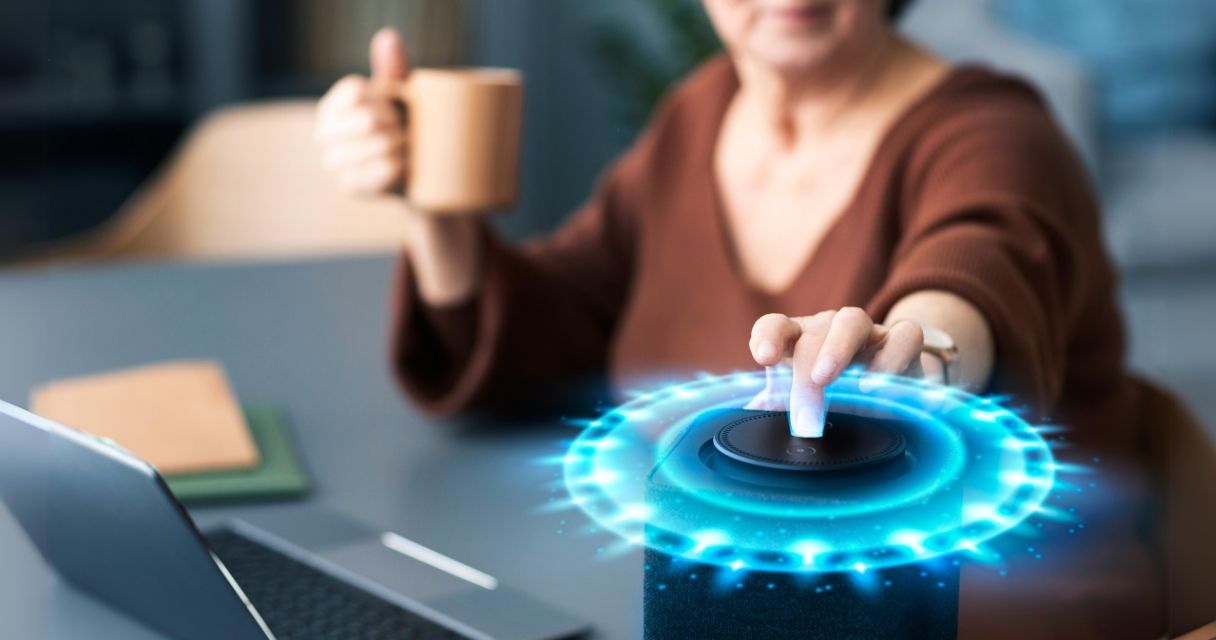
One of the greatest UX challenges in IoT is ensuring devices can interact smoothly within an expansive ecosystem. For instance, users expect a smart home speaker to control lighting, play music, and interact with security systems without friction.
Security and Privacy Concerns
In IoT, every connected device potentially opens a gateway to user data, making security and privacy paramount in UX design. UX designers must incorporate clear user consent mechanisms, data encryption, and transparency about data usage right from the initial design phase.

Usability Across Different Platforms
IoT devices often need to operate across various platforms, including mobile apps, web interfaces, and voice assistants. Designers must ensure a consistent and usable UX across all these platforms.
Case Studies and Best Practices
Nest Thermostat
Nest Thermostats are a prime example of successful IoT UX. They learn from user behaviors, adjust the home’s temperature based on presence and preferences, and integrate with other smart devices. The user interface is minimalistic yet powerful, providing essential information and controls both on-device and through a mobile app.
Fitbit Wearables
Fitbit’s approach to UX centers around the user’s health and fitness goals. These devices collect data on user activity, sleep patterns, and heart rate, presenting it in an easy-to-understand format that encourages positive health behaviors.
Future Trends in UX Design for IoT
Looking ahead, the future of UX design in IoT is likely to be shaped by adaptive interfaces that respond dynamically to user needs, AI-driven personalization that tailors experiences to individual preferences, and the integration of 5G and edge computing to enhance real-time data processing and responsiveness.
Conclusion
As IoT continues to evolve, so too will the approaches to UX design. The challenge for designers will be to innovate while keeping user-centric principles at the forefront, ensuring that IoT devices enhance, rather than complicate, our daily lives. The integration of technology into our physical world is not just an opportunity for smarter living—it’s a step towards more intuitive, connected experiences that resonate on a human level.