Design · December 12, 2024
UX Designer vs. Design Engineer: Navigating the Roles in Tech Development
By Anika Sarder · Digital Marketing Specialist

Introduction
As technology becomes increasingly integrated into every aspect of our lives, the importance of design in tech products cannot be overstated. The digital landscape is continuously evolving, demanding more sophisticated user interfaces and smoother interactions. This has led to the specialization of roles within the tech industry, particularly between UX Designers and Design Engineers. Understanding the distinct and overlapping responsibilities of these roles not only clarifies their importance but also highlights potential synergies and the feasibility of role combination.
The Distinctive Role of UX Designers
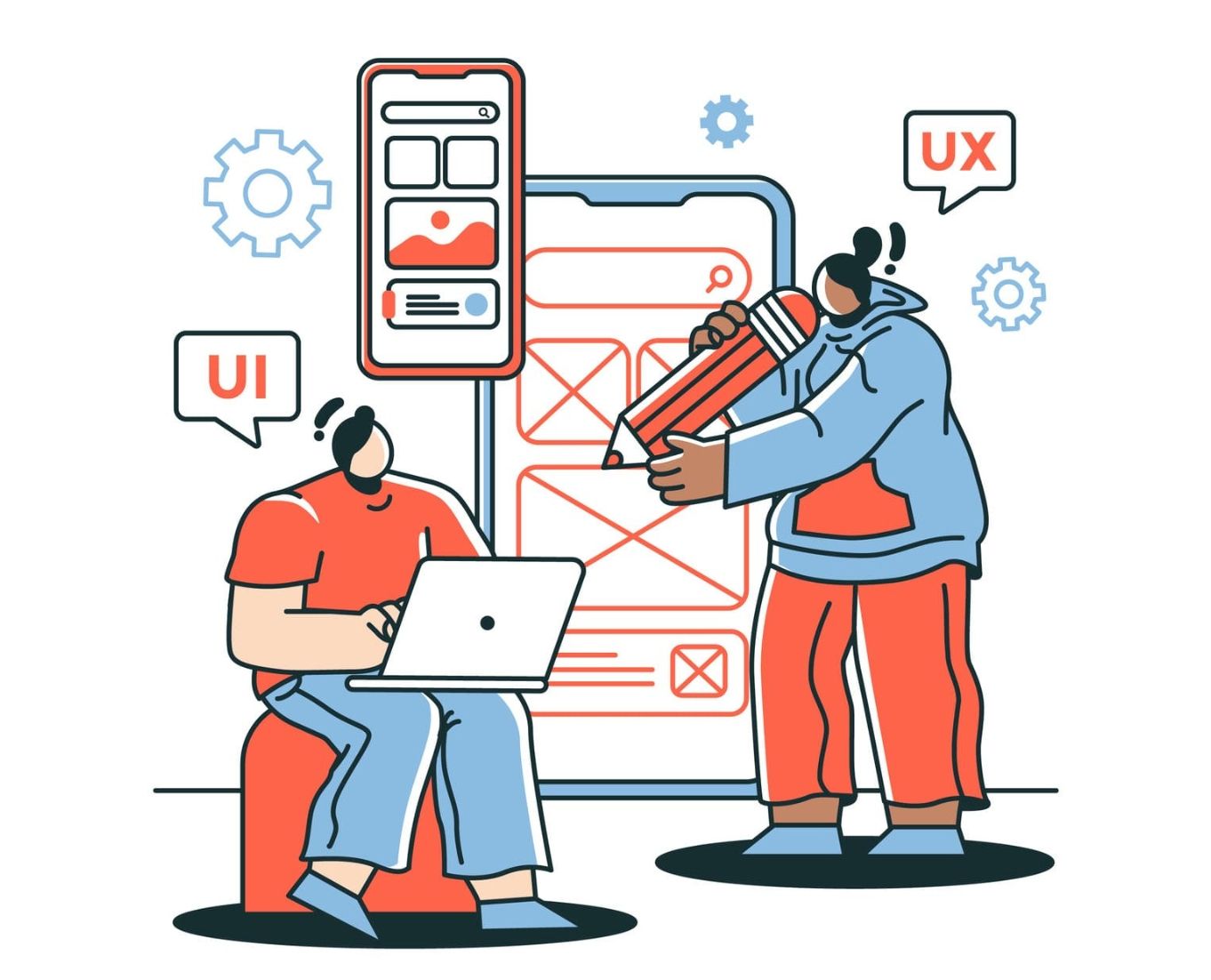
UX Designers are akin to architects of the digital world. Their primary concern is how a product feels, ensuring that the product logically flows from one step to the next. They focus on understanding the users, their needs, and their behaviors, which drives the development of intuitive and user-friendly interfaces.
Responsibilities:
-
Conducting user research to gather insights and validate concepts.
-
Creating user personas, storyboards, and scenarios to articulate the core functions of the product.
-
Designing wireframes, prototypes, and high-fidelity mockups to visualize the interactions and design of the product.
-
Performing usability testing to refine interfaces.
Example: A UX Designer might design a mobile app’s layout that intuitively guides users through booking a service, focusing on minimizing the number of steps and ensuring the interface is accessible to users with different abilities.
The Technical Focus of Design Engineers
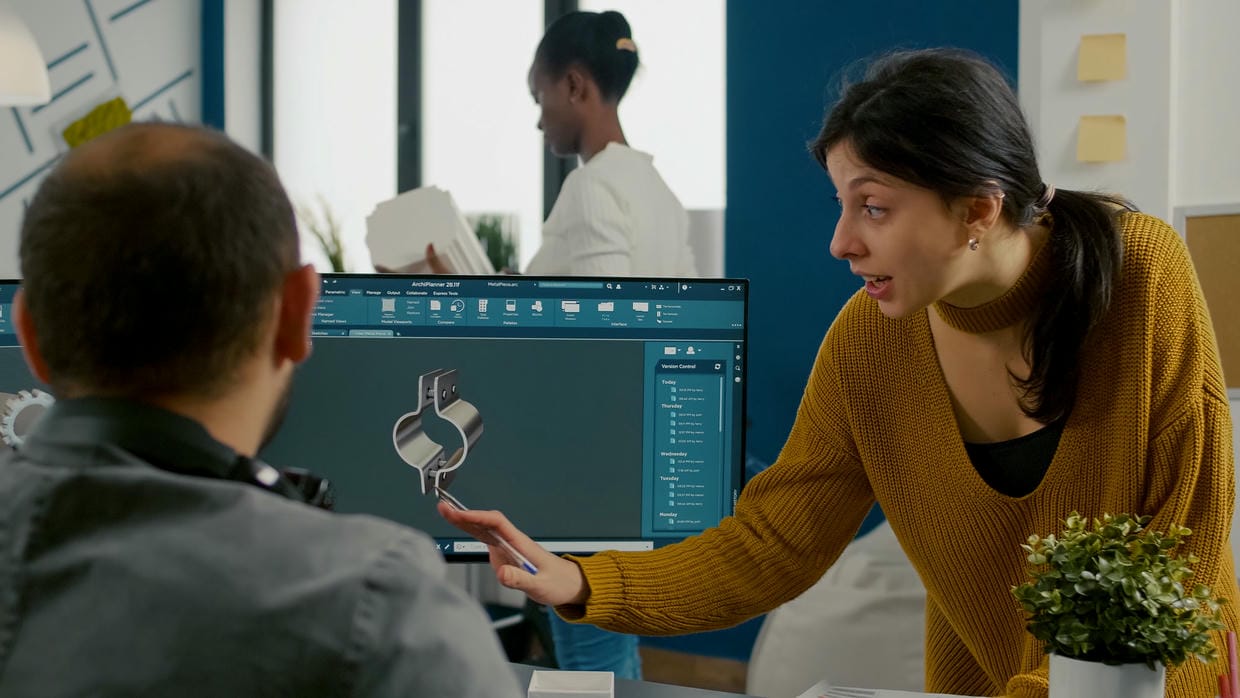
Design Engineers, on the other hand, bring the vision of the UX Designer to life. They are the builders in the digital realm, focusing on the technical aspects of interface implementation. They blend design insight with programming skills to build functional and responsive products.
Responsibilities:
-
Translating design mockups into live, functional websites or applications.
-
Using HTML, CSS, JavaScript, and various frameworks to implement the detailed visual elements of the product.
-
Optimizing the application for maximum speed and scalability.
-
Ensuring that all elements of the website’s user interface are technically integrated.
Example: A Design Engineer would take a prototype of a web application and develop it using React, ensuring that the user interface components are responsive across devices and that the transitions are smooth.
Points of Overlap and Collaboration
The collaboration between UX Designers and Design Engineers is crucial for the successful delivery of tech products. While their skills and responsibilities might differ, their goal is the same—to create products that delight users and meet business goals.
Overlap Scenarios:
-
During the initial design phase, Design Engineers can provide insights into the feasibility of proposed designs, offering alternative solutions that align with technical capabilities and constraints.
-
UX Designers might use the feedback from Design Engineers to tweak designs to better accommodate technical frameworks or user feedback from usability testing sessions.
Combining Roles: Challenges and Opportunities
The convergence of UX Design and Engineering into a single role can be seen in the emergence of ‘UX Engineers.’ These professionals possess a hybrid of skills that allows them to oversee a project from the initial design to the final implementation.
Challenges:
-
Mastering both design principles and technical skills is demanding and can stretch professionals thin.
-
Keeping up with the latest developments in both fields to remain effective.
Opportunities:
-
Professionals with dual capabilities can significantly speed up the development process by seamlessly integrating design and engineering workflows.
-
Small teams or startups may find it highly beneficial to have team members who can handle multiple aspects of the product development lifecycle.
Actionable Advice
For Aspiring Professionals:
-
Engage in continuous learning. Consider cross-disciplinary education and training in both UX design and front-end development.
-
Work on projects that require you to stretch your abilities in both design and engineering to build competence and confidence.
For Companies:
-
Foster an environment of collaboration and continuous learning where UX Designers and Design Engineers can share knowledge and skills.
-
Consider the project scope and team size when deciding whether to integrate these roles or keep them separate, ensuring neither area suffers from a lack of attention.
Conclusion
The roles of UX Designer and Design Engineer, while distinct, share a common purpose—enhancing user experience. Whether separated or combined, these roles contribute uniquely towards creating engaging, effective, and efficient user interactions in the digital age. For both professionals and organizations, understanding, leveraging, and potentially integrating these roles can lead to more innovative and competitive tech products.
