E-commerce · October 23, 2024
Mastering Product Returns: A Comprehensive Guide for eCommerce Businesses
By Anika Sarder · Digital Marketing Specialist

Introduction
In the fast-paced world of eCommerce, product returns are an inevitable part of doing business. While often perceived as a setback, a well-managed return process can significantly enhance customer satisfaction and maintain profitability. Efficient returns management not only fosters customer loyalty but also provides valuable insights into product performance and customer preferences. This comprehensive guide delves into effective strategies for managing product returns, ensuring your eCommerce business thrives in a competitive market.

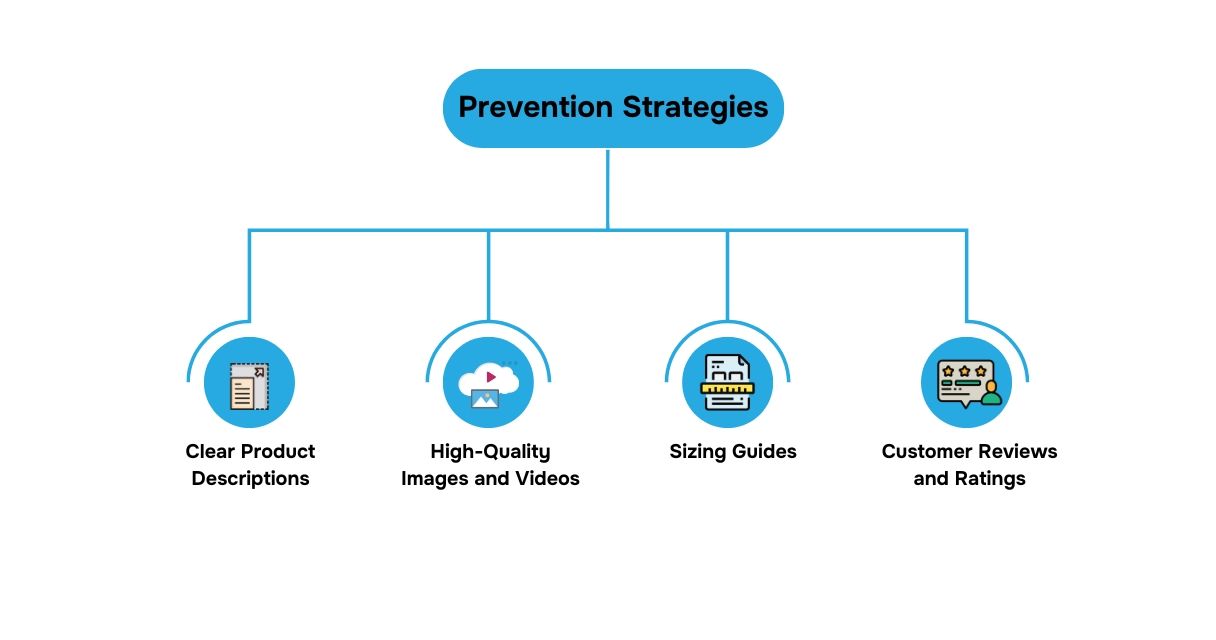
Prevention Strategies
1. Clear Product Descriptions
Providing detailed and accurate product descriptions is the first line of defense against returns. Ensure that every aspect of the product—size, color, material, functionality—is clearly outlined. Use bullet points for easy readability and include any disclaimers or special instructions.
-
Specifications: List dimensions, weight, and technical details.
-
Features: Highlight unique selling points and benefits.
-
Usage Instructions: Provide guidance on how to use or assemble the product.
2. High-Quality Images and Videos
Visuals play a crucial role in setting customer expectations. High-resolution images from multiple angles and videos demonstrating the product in use can reduce misunderstandings.
-
**Multiple Angles: **Show the product from all sides.
-
**Zoom Functionality: **Allow customers to zoom in on details.
-
Lifestyle Images: Depict the product in real-life settings.
3. Sizing Guides
For apparel and wearable items, sizing is a common cause of returns. Providing comprehensive sizing charts and measurement instructions can mitigate this issue.
-
**Standard Measurements: **Include chest, waist, hip measurements, etc.
-
Fit Descriptions: Indicate if the item runs small, large, or true to size.
-
Comparison Tools: Offer tools to compare sizes across different brands.
4. Customer Reviews and Ratings
Encourage customers to leave honest reviews. Real customer feedback can set accurate expectations for potential buyers.
-
Review Incentives: Offer discounts or loyalty points for reviews.
-
Responsive Moderation: Address concerns raised in reviews promptly.
-
Transparency: Display both positive and negative feedback.
Return Policies
1. Clarity and Transparency
A customer-friendly return policy should be easy to understand and readily accessible.
-
**Simple Language: **Avoid legal jargon and keep explanations straightforward.
-
Visibility: Place links to the return policy on product pages and during checkout.
-
Key Highlights: Emphasize important points like return windows and eligible items.
2. Flexible Return Windows
Offering a reasonable time frame for returns demonstrates trust and enhances customer satisfaction.
-
Standard Periods: Common windows range from 30 to 90 days.
-
Extended Periods: Consider longer periods during holidays or special promotions.
-
**Exceptions: **Clearly state any non-returnable items or special conditions.
3. Cost-Efficiency Balance
While generous policies attract customers, they should not erode profitability.
-
Restocking Fees: Implement reasonable fees for certain returns.
-
Return Shipping: Decide whether to offer free returns or charge for shipping.
-
**Refund Methods: **Offer store credit as an alternative to refunds.

Return Logistics
1. Efficient Warehouse Management
Organizing your warehouse to handle returns smoothly is essential.
-
Designated Areas: Create specific zones for returned items.
-
Quick Inspection: Implement processes for rapid assessment of returned goods.
-
Inventory Updates: Ensure stock levels are adjusted in real-time.
2. Shipping Carrier Partnerships
Collaborate with reliable carriers to streamline the return shipping process.
-
Negotiated Rates: Secure discounted shipping rates for returns.
-
Easy Labels: Provide prepaid return labels to customers.
-
Tracking: Offer return shipment tracking for transparency.
3. Reverse Logistics Technology
Leverage technology to automate and optimize the returns process.
-
**Return Merchandise Authorization (RMA) Systems: **Use RMA software to manage return requests.
-
**Integration: **Connect return systems with inventory and order management platforms.
-
Data Analytics: Utilize software that tracks return reasons and patterns.
Customer Communication

1. Automated Systems
Implement automated communication to keep customers informed.
-
**Confirmation Emails: **Send acknowledgments when a return request is received.
-
**Status Updates: **Notify customers at each stage of the return process.
-
**Chatbots: **Use AI-powered chatbots for instant responses to common queries.
2. Clear Instructions
Provide step-by-step guidance on how to return products.
-
Return Instructions: Include these in the package and online.
-
FAQs: Maintain an updated list of frequently asked questions.
-
Support Channels: Offer multiple contact methods—email, phone, live chat.
3. Responsive Customer Service
Train your customer service team to handle returns empathetically and efficiently.
-
**Empowerment: **Allow representatives to make decisions to resolve issues promptly.
-
Feedback Collection: Use interactions to gather insights on customer experience.
-
**Personalization: **Address customers by name and reference their specific situation.
Analysis and Improvement

1. Data Collection
Gather detailed data on every return to identify trends.
-
Return Reasons: Categorize reasons for returns (e.g., damaged, not as described).
-
**Product Performance: **Identify products with high return rates.
-
Customer Segments: Analyze if certain customer groups are returning more items.
2. Continuous Product Improvement
Use return data to enhance product quality and descriptions.
-
**Supplier Feedback: **Work with manufacturers to address quality issues.
-
**Content Updates: **Revise product listings based on common misunderstandings.
-
**Product Line Decisions: **Consider discontinuing or revising problematic products.
3. Process Optimization
Refine your return process based on insights gained.
-
Policy Adjustments: Modify return policies to better suit customer needs.
-
Operational Changes: Streamline internal processes for efficiency.
-
**Technology Upgrades: **Invest in new tools that facilitate better returns management.
Conclusion
A well-executed returns process is a pivotal component of a successful eCommerce business. By proactively reducing return rates, crafting customer-friendly policies, optimizing logistics, maintaining clear communication, and continuously analyzing return data, businesses can enhance operational efficiency and foster deep customer loyalty. Embracing returns not as a burden but as an opportunity for improvement can set your eCommerce venture apart in a crowded marketplace.
