Design · October 9, 2024
How to Implement Effective Error Messages: A Guide for Developers and UX Designers
By Anika Sarder · Digital Marketing Specialist

Introduction
Error messages are an inevitable part of any software application or user interface. They serve as the primary communication channel between the system and the user when something goes awry. Well-crafted error messages not only inform users about issues but also guide them towards resolving them, thereby enhancing the overall user experience. Conversely, poorly designed error messages can lead to user frustration, decreased engagement, and even abandonment of the product. For developers and UX designers, understanding how to implement effective error messages is crucial for creating intuitive and user-friendly applications.

Key Principles of Effective Error Messages
Clarity and Simplicity
Why It Matters:
Users come from diverse technical backgrounds. While some may be tech-savvy, others might not understand technical jargon or complex instructions. An error message should be immediately understandable to all users, regardless of their technical expertise.
How to Achieve It:
-
Use Plain Language: Avoid technical terms and acronyms unless absolutely necessary. If you must use them, ensure they are explained.
-
Be Direct: Get straight to the point. The user should not have to read the message multiple times to understand it.
-
Avoid Ambiguity: Ensure that the message leaves no room for misinterpretation.
Example:
-
Ineffective: “Error Code 4839: Invalid input.”
-
**Effective: **“Please enter a valid email address.”
Actionable Guidance
Why It Matters:
An error message should not only inform the user that something went wrong but also provide clear steps to fix the issue. This empowers users to resolve problems independently, reducing frustration and support requests.
How to Achieve It:
-
Provide Solutions: Suggest specific actions the user can take to correct the error.
-
Anticipate User Needs: Think about what the user was trying to achieve and guide them back on track.
-
Be Specific: General advice like “Try again later” is unhelpful. Offer concrete steps.
Example:
-
Ineffective: “Submission failed.”
-
Effective: “Your password must be at least 8 characters long. Please create a new password.”
Politeness and Tone
Why It Matters:
The tone of an error message can significantly impact how the user perceives the problem and the application as a whole. A friendly and empathetic tone can mitigate frustration, while a harsh or blaming tone can exacerbate it.
How to Achieve It:
-
Use Positive Language: Frame messages in a way that is encouraging rather than discouraging.
-
Avoid Blame: Do not imply that the error is the user’s fault, even if it might be.
-
Be Empathetic: Acknowledge the inconvenience the error may have caused.
Example:
-
Ineffective: “You failed to fill out the required fields.”
-
Effective: “Oops! It looks like some required fields are missing. Please fill them out to continue.”

Specificity and Context
Why It Matters:
Providing context helps users understand what went wrong and where. Specific error messages enable both users and developers to troubleshoot issues more effectively.
How to Achieve It:
-
Reference the Problem Area: Mention the specific field or action that caused the error.
-
Include Error Details: If appropriate, provide technical details that can aid in resolving the issue.
-
Avoid Information Overload: Balance the need for specificity with the risk of overwhelming the user.
Example:
-
**Ineffective: **“An error occurred while processing your request.”
-
Effective: “Unable to save your profile because the username ‘john_doe’ is already taken. Please choose a different username.”
Common Mistakes in Error Message Design
Vague Messages
Issue: Messages like “An error occurred” leave users clueless about what went wrong and how to fix it.
Solution: Always specify what the error is and how the user can address it.
Technical Jargon
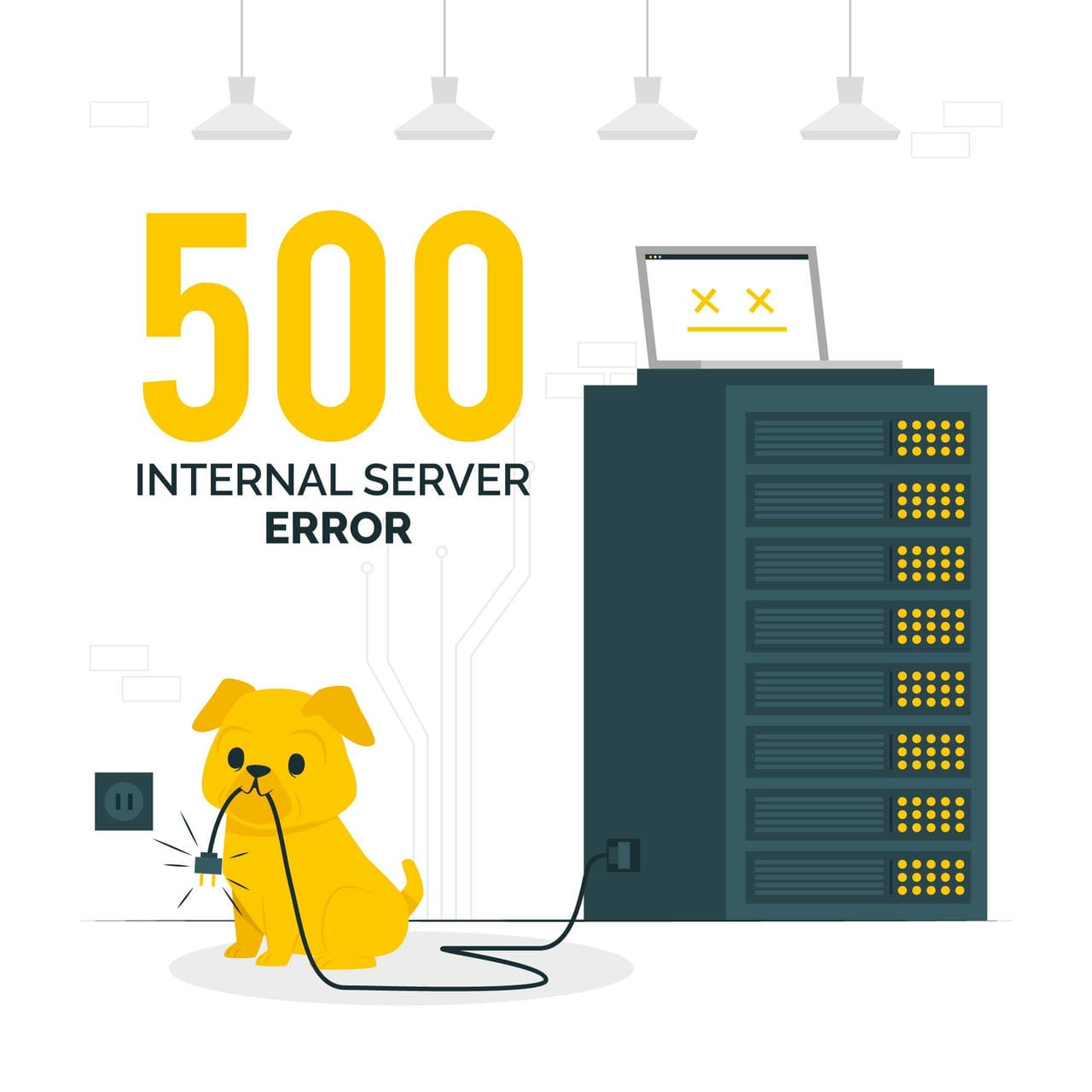
Issue: Using terms like “NullPointerException” or “HTTP 500 Error” can confuse non-technical users.
Solution: Translate technical errors into plain language and provide user-friendly solutions.
Irrelevant Information
Issue: Including unnecessary details can overwhelm users and obscure the actual problem.
**Solution: **Keep messages concise and relevant to the user’s task.
Blaming the User
Issue: Messages that imply the user is at fault can lead to frustration and disengagement.
Solution: Use neutral language that focuses on the issue, not the user.
Best Practices for Crafting Error Messages
Customization for User Types
Why It Matters:
Different users have different needs. Technical users might appreciate detailed error codes, while non-technical users prefer simple explanations.
How to Achieve It:
-
User Segmentation: Identify your user groups and tailor messages accordingly.
-
Adaptive Messaging: Use application settings to adjust the level of detail in error messages.
-
Role-Based Messages: For applications with user roles (admin, editor, viewer), customize messages based on permissions and capabilities.
Error Prevention
Why It Matters:
The best error message is one that the user never sees. Guiding users to prevent errors enhances the user experience.
How to Achieve It:
-
Input Validation: Use real-time validation to catch errors before form submission.
-
Guided Inputs: Provide dropdowns, date pickers, and other controls to minimize user input errors.
-
Helpful Defaults: Pre-fill fields with sensible defaults when possible.
Accessibility Considerations
Why It Matters:
Error messages should be accessible to all users, including those with disabilities. This ensures compliance with accessibility standards and broadens your user base.
How to Achieve It:
-
Use ARIA Roles and Properties: Implement ARIA (Accessible Rich Internet Applications) attributes to make error messages screen-reader friendly.
-
Visual Cues: Use color, icons, and text to convey errors, but ensure that color is not the only indicator.
-
Consistent Placement: Place error messages in predictable locations to aid users with cognitive disabilities.
Examples of Effective Error Messages
Good Example 1: Inline Form Error
Message: “Password must be at least 8 characters.”
Analysis:
-
Clarity: Clearly states the requirement.
-
Actionable Guidance: Tells the user exactly what to do.
-
Tone: Neutral and helpful.
-
Specificity: Addresses the exact issue with the password field.
Bad Example 1: Technical Jargon
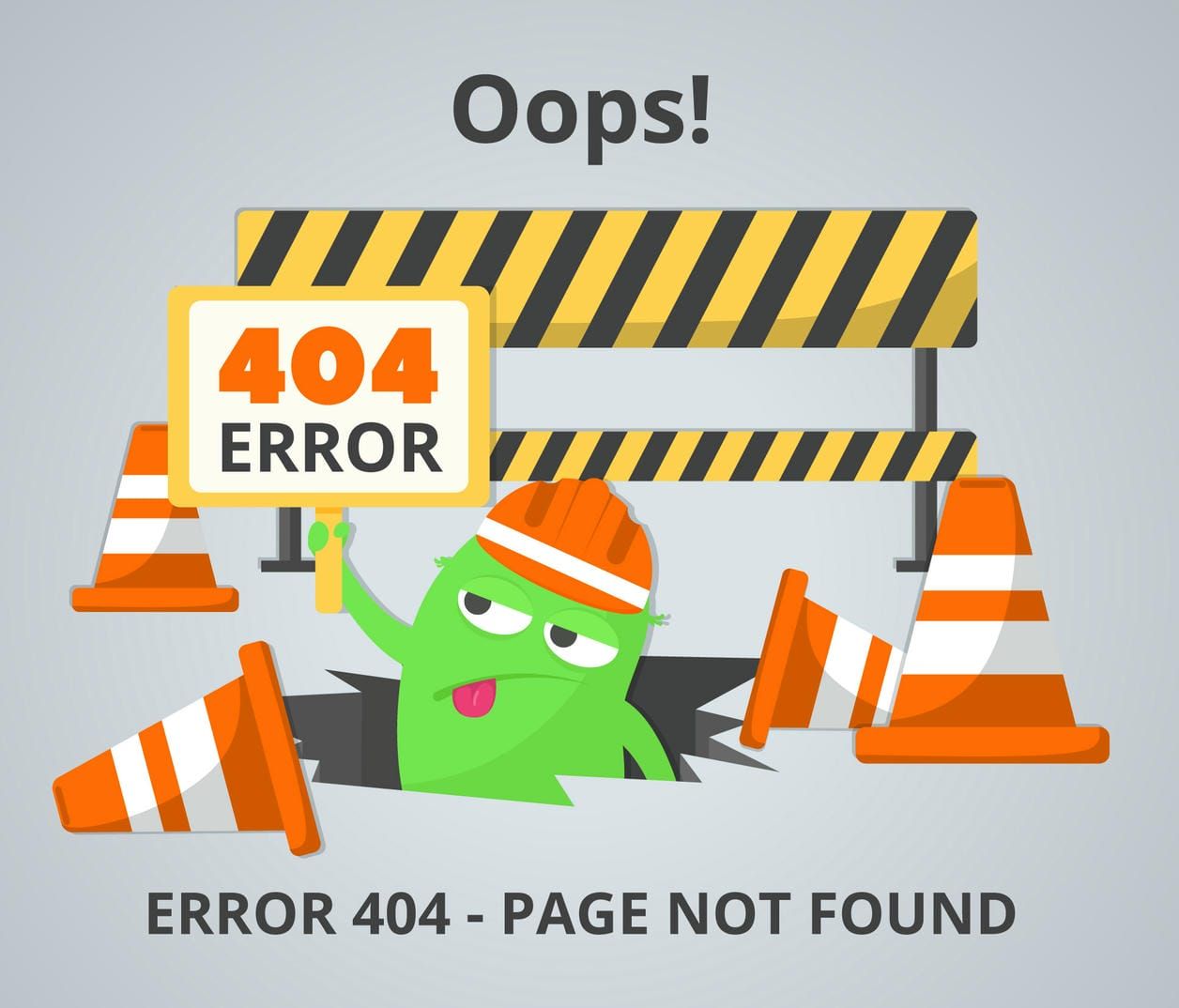
**Message: **“Error 404: Resource not found.”
Analysis:
-
Lacks Clarity: Average users may not know what a “404” error is.
-
No Guidance: Doesn’t tell the user how to proceed.
-
Technical Jargon: Uses terms that may be unfamiliar.
-
Improvement: “Sorry, we can’t find the page you’re looking for. Check the URL or return to the homepage.”
Good Example 2: Network Error
Message: “It seems you’re offline. Please check your internet connection and try again.”
Analysis:
-
Empathetic Tone: “It seems” softens the message.
-
Actionable Guidance: Suggests checking the internet connection.
-
Clarity: Clearly states the problem.
-
User-Friendly: Avoids technical terms like “Network Error.”
Bad Example 2: Blaming Language
Message: “You failed to enter the correct information.”
Analysis:
-
Negative Tone: Uses blaming language (“You failed”).
-
Non-Specific: Doesn’t specify what information is incorrect.
-
No Guidance: Offers no solution.
-
Improvement: “Some information doesn’t match our records. Please double-check and try again.”
Conclusion
Effective error messages are a critical component of user experience design. They bridge the gap between a system’s functionality and the user’s understanding, turning potential points of frustration into opportunities for engagement and trust-building. By focusing on clarity, actionable guidance, appropriate tone, and context, developers and UX designers can create error messages that not only inform but also assist users in navigating issues effortlessly.
Investing time in crafting well-thought-out error messages pays off in the long run by reducing user frustration, decreasing support requests, and enhancing overall satisfaction with your application.
