E-commerce · July 16, 2024
How IoT Transforms Real-Time Data Tracking in Supply Chains
By Anika Sarder · Digital Marketing Specialist

Introduction
In the ever-evolving landscape of technology, the Internet of Things (IoT) stands out as a revolutionary force, especially within the domain of supply chain management. As businesses strive for greater efficiency and accuracy, the significance of real-time data tracking becomes increasingly crucial. This article explores how IoT technology is redefining supply chains by enabling unprecedented levels of visibility and control. By integrating IoT into their operations, companies can monitor the precise movements of goods, predict potential disruptions, and respond with agility, thereby not only meeting but exceeding customer expectations in today’s fast-paced market. Furthermore, this enhanced capability allows organizations to optimize their logistical operations and minimize waste, leading to significant cost savings and more sustainable practices. This strategic application of IoT paves the way for smarter, more responsive supply chain networks that are better equipped to handle the complexities of modern commerce.
Understanding IoT in Supply Chains
What is IoT?
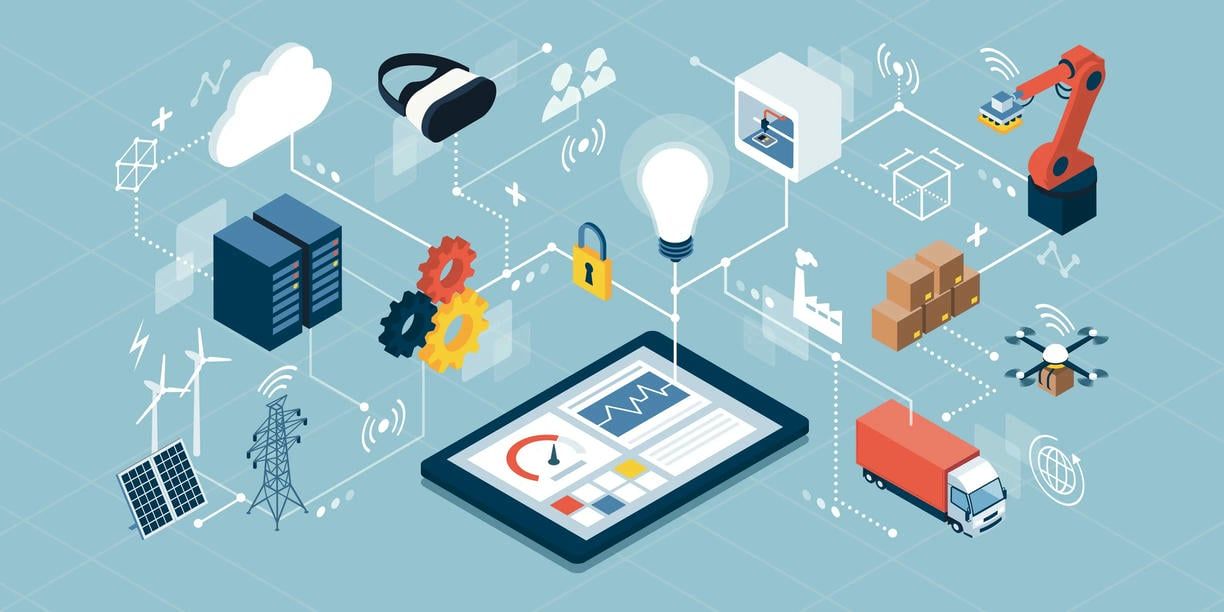
IoT refers to a network of interconnected devices that collect and exchange data through the internet. These devices, equipped with sensors, connectivity, and data processing capabilities, enable automated and remote operations across various sectors. This interconnectedness allows for the seamless flow of information, facilitating real-time decision-making and operational adjustments that can dramatically improve efficiency and effectiveness. From manufacturing floors to urban traffic systems, IoT’s impact is widespread, driving innovations that not only enhance operational capabilities but also offer substantial improvements in safety, reliability, and environmental sustainability. Furthermore, as these devices proliferate across different industries, they create vast datasets that can be leveraged to gain deeper insights into consumer behavior, optimize product development, and implement predictive maintenance strategies, thereby transforming traditional business models into more proactive and data-driven enterprises. This technological integration fosters a new era of connectivity, where smart devices communicate and operate independently, enhancing productivity and opening new avenues for innovation and growth in the digital age.
IoT in Supply Chain Management
In supply chains, IoT serves as a backbone for real-time data tracking, providing instant insights into every stage of the supply chain from production to delivery. This integration allows for automated decision-making and streamlines operations, leading to heightened operational efficiency. By enabling continuous monitoring and reporting, IoT systems help prevent delays and reduce downtime by alerting managers to potential issues before they become critical. This capability not only enhances the responsiveness of supply chains but also improves inventory management, ensuring that the right products are available at the right time. Moreover, IoT-driven analytics can predict future demand patterns, enabling more precise planning and resource allocation. This level of precision and efficiency ultimately boosts customer satisfaction and competitive advantage. Additionally, the data collected through IoT devices can aid in optimizing transportation routes and schedules, reducing energy consumption and lowering operational costs. These benefits make IoT an indispensable tool in the modernization and sustainability of supply chains, ready to meet the demands of a rapidly changing global market.
Basic Functioning and Integration
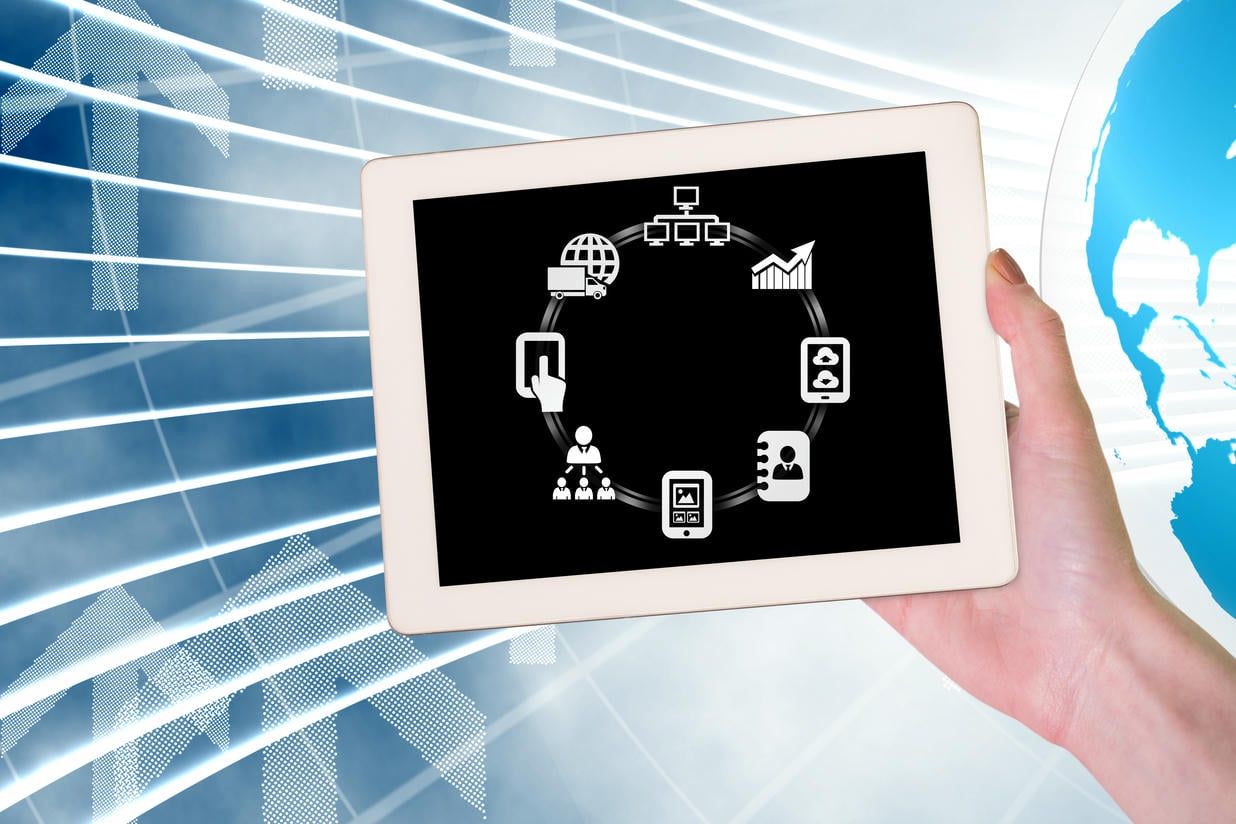
IoT devices in supply chains typically include RFID tags, GPS trackers, and environmental sensors. These devices collect data on product location, condition, and environmental factors, transmitting it in real-time to centralized systems for processing and analysis. This constant flow of information enables a holistic view of the entire supply chain, allowing for proactive management and immediate response to any issues that arise. By leveraging such data, businesses can not only ensure compliance with regulatory standards but also maintain optimal conditions throughout the transportation and storage of goods. Additionally, the integration of these IoT devices facilitates automated reporting and documentation, which streamlines audits and compliance checks, further reducing the administrative burden on staff and enhancing operational efficiency. Moreover, this technology enables precise tracking of product lifecycles and sustainability metrics, crucial for companies aiming to meet environmental and corporate social responsibility goals. These advancements pave the way for smarter, more transparent, and efficient supply chain practices that significantly improve how companies manage their resources and respond to market demands.
Benefits of IoT for Real-Time Data Tracking
Enhanced Visibility and Transparency
IoT technology provides a transparent view of the supply chain, allowing stakeholders to track products at every stage. This visibility helps in identifying bottlenecks and streamlining processes. Enhanced transparency also facilitates better collaboration between departments and partners, leading to more synchronized and efficient operations. With the data collected through IoT, companies can perform detailed analysis to understand patterns, predict outcomes, and make informed decisions quickly. This proactive approach not only minimizes risks but also maximizes productivity, helping businesses to adapt rapidly to changes in demand or supply conditions. Furthermore, this level of detail and accuracy in monitoring ensures that quality standards are consistently met throughout the supply chain, boosting customer trust and satisfaction. Additionally, this data-driven insight helps in optimizing resource allocation, reducing waste, and increasing the overall sustainability of operations. Companies leveraging IoT thus gain a competitive edge, not just by improving their logistical efficiencies but also by enhancing their environmental and social governance profiles. As a result, they can better meet regulatory requirements and consumer expectations for responsible business practices, positioning themselves as leaders in their respective markets.
Efficiency and Cost Reduction
With real-time data, businesses can optimize routes, reduce downtime, and lower costs associated with inventory mismanagement and asset loss. This strategic use of data allows for dynamic routing and re-routing based on current traffic conditions, weather, and other variables, ensuring that deliveries are made in the most efficient manner possible. Additionally, predictive analytics drawn from IoT data can forecast potential equipment failures or supply shortages, enabling preemptive action to avoid costly disruptions. This level of operational agility enhances a company’s ability to respond to market changes and customer demands swiftly, further improving service levels and reducing the risk of customer dissatisfaction. Moreover, the continuous flow of data provides a comprehensive audit trail for every item in the supply chain, enhancing accountability and traceability. This real-time visibility not only boosts efficiency but also helps in achieving better compliance with regulatory standards and reduces the incidence of fraud and theft, further securing the supply chain at every juncture.
Improved Inventory Management and Forecasting
IoT enables accurate inventory tracking and demand forecasting, reducing overstock and understock situations and ensuring timely replenishment. This precision in managing inventory levels leads to significant cost savings by minimizing unnecessary stock holdings and reducing the likelihood of stockouts that can result in lost sales. Additionally, IoT technologies facilitate a more responsive supply chain that can adapt to changes in demand patterns more swiftly. This adaptability is particularly beneficial in industries where demand can fluctuate rapidly due to factors such as seasonal changes, market trends, or promotional activities. Moreover, the data collected through IoT devices can also be used to enhance the customer experience by ensuring that popular items are always in stock and readily available, thereby increasing customer satisfaction and loyalty.

Quality Control and Monitoring
Sensors can monitor conditions like temperature and humidity, crucial for perishable goods, ensuring they remain within required parameters, thus enhancing product quality and compliance. This capability is particularly vital in industries such as pharmaceuticals, food, and beverages, where products can be sensitive to environmental changes. Continuous monitoring helps in maintaining the integrity of these goods throughout their journey in the supply chain, reducing the risk of spoilage and loss. Additionally, this level of monitoring provides detailed logs and reports that can be critical for meeting strict industry regulations and audit requirements. Implementing such IoT solutions not only secures consumer safety but also builds trust and reliability in the brand, contributing to a stronger market reputation. Furthermore, these proactive measures can lead to significant reductions in waste and inefficiency, promoting more sustainable business practices. As environmental and regulatory pressures increase, the ability to prove compliance through accurate and real-time data becomes even more important, making IoT an indispensable tool in modern supply chain management.
Real-World Examples
Companies like DHL and Maersk have implemented IoT to monitor package conditions and container locations, significantly improving their operational efficiency and reducing losses due to damaged goods. This technological adoption has allowed them to provide better customer service by offering real-time tracking and updates, thereby increasing transparency and trust with their clients. Additionally, the data collected through IoT devices helps these companies optimize their logistics and routing strategies, reducing fuel consumption and environmental impact. The ability to closely monitor cargo also aids in security measures, minimizing theft and tampering during transit. These improvements not only boost the operational capacities of these companies but also enhance their competitive edge in the global market. Moreover, the integration of IoT has paved the way for advanced analytics and machine learning algorithms that can predict delays and optimize shipping routes in real-time, further refining the delivery process and ensuring that customers receive their goods faster and in better condition. This proactive approach to logistics management transforms traditional shipping and freight practices, setting new standards for efficiency and reliability in the industry.
Challenges in Implementing IoT
Data Security and Privacy
IoT expands the attack surface for cyber threats, making data security a significant concern. Ensuring robust encryption and secure data practices is essential. As IoT devices proliferate across supply chains, the importance of implementing advanced security protocols becomes paramount. Companies must adopt a comprehensive security strategy that includes regular updates and patches to IoT firmware, strict access controls, and real-time security monitoring to detect and respond to potential threats swiftly. Additionally, educating employees about security best practices and the risks associated with IoT devices can further safeguard sensitive data. By prioritizing cybersecurity, businesses can mitigate the risks associated with their connected environments, ensuring that their operations remain protected from the evolving landscape of digital threats. Moreover, engaging with cybersecurity experts and utilizing threat intelligence services can provide businesses with insights into potential vulnerabilities and emerging threats, enabling proactive defense measures. This strategic approach not only protects the company’s assets but also reinforces customer confidence in their ability to manage and secure data effectively.

Integration with Legacy Systems
Many companies face challenges in integrating IoT with existing infrastructures. This process often requires substantial investment and technological overhaul. The complexity of retrofitting old systems to be compatible with new IoT technologies can be daunting and time-consuming. Businesses must evaluate their current technological landscape and determine the most cost-effective and efficient ways to integrate IoT solutions without disrupting ongoing operations. This often involves phased implementations, starting with the most critical areas that can provide immediate benefits from IoT integration. Additionally, collaboration with IoT experts and solution providers can help in customizing solutions that fit seamlessly with existing systems, ensuring smoother transitions and better scalability for future expansions. Such strategic planning and execution can mitigate risks associated with system incompatibilities and minimize potential downtime during the integration process. Furthermore, continuous training and development programs are crucial for staff to effectively manage and utilize the new IoT-driven processes. Adopting a culture of innovation and adaptability within the organization also plays a significant role in overcoming the initial hurdles of integration, ultimately leading to a more robust and responsive business model.
Cost Factors
The initial setup and ongoing maintenance of IoT systems can be costly and require significant investment in technology and training. This includes the expense of purchasing and installing IoT devices, developing software solutions, and integrating these with existing systems. Additionally, ongoing costs are associated with regular maintenance, updates, and troubleshooting to ensure the systems remain functional and secure. Training employees to effectively use and manage IoT technology is another substantial investment, as it involves not only initial training sessions but also continuous learning to keep up with technological advancements. Despite these costs, the long-term benefits of increased efficiency, reduced operational costs, and enhanced data insights often justify the initial expenditure. Companies must carefully consider their budgets and return on investment (ROI) when planning IoT implementations, potentially seeking financing options or phased rollouts to manage expenses better. Moreover, leveraging cloud-based IoT solutions can sometimes reduce infrastructure costs, offering scalable and flexible options that grow with the business.
Reliability Issues
Dependence on continuous connectivity and power supply makes IoT devices vulnerable to failures, potentially disrupting supply chain operations. Any interruption in internet connectivity or power can lead to data gaps, delays in information processing, and ultimately, a breakdown in the real-time monitoring capabilities that IoT systems provide. These disruptions can have cascading effects, such as delayed shipments, reduced inventory accuracy, and impaired decision-making. To mitigate these risks, companies need to invest in reliable backup systems, including uninterruptible power supplies (UPS) and failover internet connections, to ensure continuous operation. Implementing robust network infrastructure with redundancy and adopting edge computing solutions can also help reduce dependency on constant connectivity by processing data locally. Additionally, regular maintenance and monitoring of IoT devices are essential to preemptively identify and resolve potential issues before they escalate into significant disruptions. Planning for such contingencies and having a clear recovery strategy can significantly enhance the resilience of IoT-enabled supply chain systems. Furthermore, businesses should consider incorporating advanced predictive maintenance algorithms to anticipate and address connectivity and power issues before they occur. Collaborating with network service providers to secure prioritized support and service level agreements (SLAs) can also ensure faster recovery times and minimize operational downtimes.
Real-World Applications and Case Studies
Walmart
Walmart has utilized IoT for better inventory management and customer satisfaction. By using RFID tags, Walmart tracks products throughout their journey, significantly reducing out-of-stock scenarios and optimizing supply chain operations. This real-time tracking capability allows Walmart to have precise visibility over its inventory levels, enabling more accurate restocking decisions and reducing excess inventory that ties up capital. Additionally, the data gathered from these RFID tags helps in analyzing purchasing trends and customer behavior, allowing Walmart to tailor its product offerings more closely to customer preferences. The enhanced efficiency and responsiveness in the supply chain also contribute to faster replenishment cycles, ensuring that shelves are always stocked with the most in-demand products. Moreover, IoT integration has streamlined Walmart’s logistics processes, reducing transit times and improving the overall customer experience by ensuring products are available when and where customers need them. This technological advancement not only bolsters Walmart’s operational efficiency but also strengthens its competitive edge in the retail market. Furthermore, by leveraging IoT data, Walmart can implement dynamic pricing strategies and improve inventory turnover rates, enhancing profitability. The continuous flow of data enables proactive maintenance of inventory systems, preventing potential issues before they impact operations. Overall, Walmart’s IoT-driven approach exemplifies how technology can revolutionize supply chain management, setting new standards for efficiency, customer satisfaction, and market leadership.
Volvo
Volvo’s use of IoT for predictive maintenance and real-time tracking in its manufacturing units has enhanced operational efficiency and vehicle quality, reducing downtime and improving customer trust. By leveraging IoT sensors and advanced analytics, Volvo can monitor the health of machinery and equipment, predicting failures before they occur and scheduling maintenance at optimal times. This approach minimizes unexpected breakdowns and maximizes production uptime. The real-time tracking capabilities also allow Volvo to trace components and materials throughout the manufacturing process, ensuring quality control and adherence to stringent standards. This comprehensive monitoring not only boosts the reliability of Volvo’s vehicles but also accelerates the production process, allowing for faster delivery times to customers. Additionally, the data collected through IoT provides valuable insights for continuous improvement, helping Volvo refine its manufacturing practices and innovate in product development. By integrating IoT technology, Volvo has created a more responsive and adaptive manufacturing environment, enhancing its reputation for quality and dependability in the automotive industry. This technological edge also positions Volvo as a leader in smart manufacturing, showcasing its commitment to leveraging cutting-edge solutions for superior operational performance and customer satisfaction.
Future Trends and Innovations
Integration with AI and Machine Learning

Future IoT systems will increasingly incorporate AI to predict supply chain disruptions and automate responses, enhancing responsiveness and efficiency. AI algorithms can analyze vast amounts of data from IoT devices to identify patterns and anomalies that may indicate potential issues, such as supply shortages, transportation delays, or equipment failures. By predicting these disruptions, AI can proactively trigger automated responses, such as rerouting shipments, adjusting production schedules, or dispatching maintenance crews, to mitigate impact. This integration of AI with IoT will not only improve operational resilience but also enable more agile and adaptive supply chains. Furthermore, combining AI and IoT can optimize inventory management by dynamically adjusting stock levels based on real-time demand forecasts, reducing excess inventory and minimizing stockouts. The synergy between AI and IoT will also facilitate more accurate and timely decision-making, empowering businesses to stay ahead of market fluctuations and consumer demands. As these technologies evolve, they will drive the development of increasingly sophisticated and self-regulating supply chain ecosystems, setting new benchmarks for efficiency, sustainability, and customer satisfaction.
Blockchain for Enhanced Security
Blockchain could provide a secure and transparent method for data transactions in IoT, improving trust and reliability in supply chain data. By utilizing a decentralized ledger, blockchain ensures that all transactions are recorded immutably, preventing tampering and unauthorized modifications. This transparency allows all stakeholders in the supply chain to access and verify data in real-time, enhancing accountability and traceability. Furthermore, smart contracts can automate and enforce agreements between parties, streamlining processes and reducing administrative overhead. The combination of blockchain and IoT can also enhance data integrity, as each piece of information from IoT devices is cryptographically secured and linked to the blockchain. This integration not only boosts security but also simplifies audits and compliance checks, as every transaction is verifiable and traceable. As a result, blockchain technology can significantly reduce the risk of fraud, errors, and inefficiencies in supply chain operations. Additionally, it can foster greater collaboration and trust among partners, suppliers, and customers, ultimately leading to more resilient and efficient supply chains. Moreover, blockchain can provide an immutable record of the entire lifecycle of a product, from raw materials to finished goods, which is especially valuable for industries that require stringent regulatory compliance, such as pharmaceuticals and food safety. This level of detailed traceability can enhance product recalls, ensuring that only affected items are withdrawn, thereby minimizing disruption and cost. As blockchain technology continues to evolve, its integration with IoT will likely lead to innovative applications and further enhance the security, transparency, and efficiency of supply chain management.
Speculative Advances
Advancements in sensor technology and 5G connectivity are expected to further enhance the capability and efficiency of IoT in supply chains, potentially revolutionizing the industry. Enhanced sensors will provide more precise and diverse data, including real-time environmental conditions, location, and movement of goods, enabling more granular monitoring and control. Coupled with 5G’s ultra-fast and reliable connectivity, these sensors can transmit large volumes of data instantaneously, reducing latency and ensuring more timely and accurate decision-making. The low latency and high bandwidth of 5G will also support the deployment of a greater number of IoT devices, leading to more comprehensive coverage and detailed insights across the entire supply chain. These advancements will facilitate the development of more sophisticated and responsive supply chain networks, capable of quickly adapting to changes and disruptions. For instance, real-time data on traffic patterns, weather conditions, and vehicle performance can optimize routing and scheduling, minimizing delays and reducing fuel consumption. Furthermore, the improved connectivity and data precision will enable more effective predictive maintenance, preventing equipment failures before they occur and minimizing downtime. As a result, companies can expect increased operational efficiency, reduced costs, and enhanced customer satisfaction. In addition, the convergence of advanced sensor technology and 5G connectivity will pave the way for new applications and innovations in supply chain management, such as autonomous delivery vehicles and drones, which can further streamline logistics and distribution processes. This technological synergy will also support the integration of AI and machine learning, allowing for more sophisticated data analysis and automated decision-making. Overall, these technological advancements will drive the next wave of transformation in the supply chain industry, making operations more efficient, resilient, and responsive to market demands.

Conclusion
IoT technology holds transformative potential for supply chain management, offering enhanced visibility, improved efficiency, and better decision-making capabilities. As technology progresses, the integration of IoT within supply chains is likely to become more prevalent, driving innovation and operational excellence.
For businesses looking to adopt IoT, it is crucial to evaluate current infrastructure capabilities, understand the necessary investments, and stay informed about the latest technologies and practices. Exploring resources like industry reports, technology workshops, and IoT solution providers can be valuable steps in this journey.
