E-commerce · June 24, 2024
Future of E-commerce: Predicting the Next Big Trends in Online Shopping for 2025
By Anika Sarder · Digital Marketing Specialist

Introduction
In the rapidly evolving world of e-commerce, staying ahead of the curve is not just advantageous—it’s essential. As we approach 2025, online shopping continues to transform, driven by technological advancements and shifting consumer demands. This dynamic environment presents both challenges and opportunities for businesses and consumers alike. Understanding the trajectory of these changes is crucial for companies aiming to thrive in a competitive marketplace and for consumers seeking to make the most of new shopping modalities. This article delves into the current state of e-commerce, highlighting the prevailing trends, and projects the next big movements that are expected to redefine the industry by 2025. It aims to provide a comprehensive outlook on the future, equipping readers with the insights needed to navigate the complexities of the digital marketplace.
Current State of E-commerce (2024)
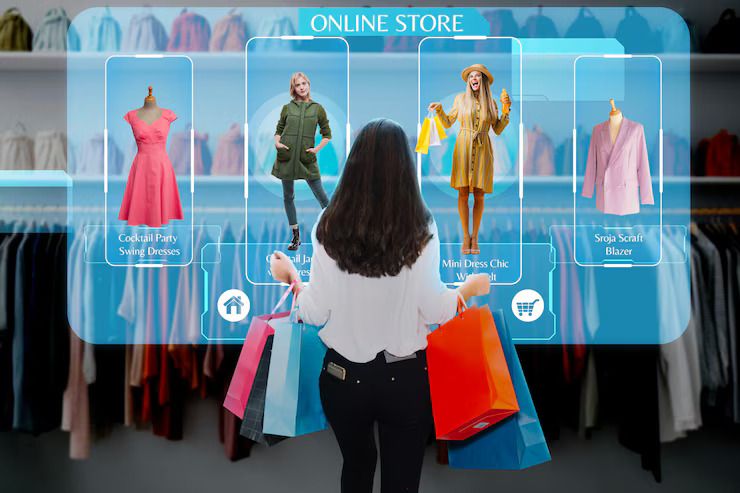
Today’s e-commerce landscape is a dynamic mix of innovation and consumer-focused strategies. With global online sales hitting unprecedented highs, businesses are leveraging technologies such as artificial intelligence (AI), augmented reality (AR), and sophisticated data analytics to enhance user experiences. This rapid integration of cutting-edge technologies is not just transforming how products are marketed and sold but also reshaping customer expectations. Notably, mobile commerce has skyrocketed, with more consumers now shopping via smartphones than ever before, emphasizing the need for optimized mobile platforms. This shift towards mobile-first shopping experiences demands that retailers not only refine their mobile interfaces but also prioritize mobile-centric marketing strategies to capture this growing segment of the market effectively.
Predicted Trends for 2025
Technology and Innovation
AI, VR/AR, Blockchain
Emerging technologies like AI, VR, and AR are set to deepen their impact on e-commerce. By 2025, we can expect virtual stores to be more immersive, allowing customers to try products virtually before purchasing. This immersive experience will not only enhance customer satisfaction but also significantly reduce return rates by allowing more accurate product previews. AI will further personalize shopping experiences with predictive analytics, suggesting products uniquely suited to individual preferences. This level of personalization will aim to increase customer engagement and loyalty by making shopping experiences more tailored and intuitive. Moreover, blockchain could revolutionize supply chain transparency, building greater trust between consumers and brands. This transparency will likely extend to better product authenticity checks and more ethical supply practices, appealing to the increasingly conscientious consumer.
Consumer Behavior
Shifts in Shopping Habits and Expectations
The digital consumer of 2025 will likely prioritize convenience, experience, and customization. As digital natives become a larger part of the consumer base, their expectation for instant gratification and interactive shopping experiences will drive e-commerce innovations. These consumers will look for ways to streamline their shopping processes, favoring platforms that offer quick and easy transactions with minimal friction. Social commerce is also anticipated to rise, integrating seamless purchase options directly within social media platforms. This integration will cater to the lifestyle of consumers who spend significant time on social media, enabling them to make purchases without leaving these platforms. The trend will further blur the lines between social interaction and commerce, making every social platform a potential marketplace and increasing the opportunities for brands to engage directly with their audiences in their natural digital habitats.

Sustainability and Ethical Shopping
The Rise of Conscious Consumerism
Sustainability is becoming a cornerstone of brand loyalty. Consumers are increasingly favoring brands that demonstrate environmental stewardship and ethical practices. As this trend continues to grow, it becomes not just a moral duty but a competitive advantage for businesses. In response, more e-commerce businesses will invest in sustainable practices, from eco-friendly packaging and sourcing to carbon-neutral shipping options. This shift towards sustainability is expected to spur innovations in packaging technologies and logistics that minimize environmental impact. Companies that can effectively communicate their sustainability efforts to their customers are likely to see increased trust and loyalty, making sustainable practice a key factor in building long-term customer relationships. As the market evolves, these eco-friendly practices could become the norm, pushing the entire industry towards more responsible operations.
Personalization and Customer Experience
Enhancing Personalization
The future of e-commerce lies in hyper-personalization. Advances in technology will allow for even more precise customer profiles and personalized marketing strategies, enhancing user engagement and satisfaction. By leveraging vast amounts of data, businesses can offer a tailor-made shopping experience that anticipates the needs and preferences of each customer. This will include personalized product recommendations, dynamic pricing, and customized shopping experiences based on consumer behavior analytics. As this trend intensifies, we can expect a significant increase in customer loyalty and conversion rates. Additionally, the integration of AI and machine learning will enable real-time adjustments to marketing strategies and inventory management, ensuring that businesses not only meet but exceed the expectations of today’s sophisticated shoppers.
Logistics and Delivery

Innovations in Efficiency and Speed
Logistics remain a critical component of e-commerce success. By 2025, the integration of AI and machine learning in logistics operations is expected to significantly improve delivery efficiency. These technologies will optimize routing and inventory management, leading to faster and more reliable delivery services. Drone deliveries and autonomous vehicles could become more commonplace, reducing delivery times and costs. This advancement will not only enhance customer satisfaction through quicker delivery times but also reduce the carbon footprint associated with traditional delivery methods. Additionally, as these technologies become more embedded in everyday logistics, they could pave the way for a 24/7 delivery model, meeting the demands of consumers who expect round-the-clock service and instantaneous order fulfillment.
Case Studies and Examples
Leading companies like Amazon and Alibaba are already experimenting with many of these innovations. Amazon’s use of AI for predictive shipping, where items are shipped before the final customer order based on predictive algorithms, is setting a new standard for logistical efficiency. This approach not only speeds up delivery but also optimizes inventory management, reducing waste and improving customer satisfaction. Meanwhile, startups like Everlane and Allbirds are pushing the envelope with radical transparency and sustainability in product sourcing and marketing. Their commitment to these principles is attracting a loyal customer base that values ethical consumption. This trend of ethical branding is becoming increasingly important as consumers become more environmentally and socially conscious, influencing more companies to adopt similar practices to maintain competitiveness in the market.

Conclusion
The landscape of e-commerce in 2025 will be markedly different from today, shaped by technological advances and a deeper understanding of consumer desires. For businesses, staying ahead means adapting to these changes swiftly and thoughtfully. As consumers, staying informed and embracing these new shopping experiences will be key to leveraging the benefits of tomorrow’s e-commerce innovations.
As the boundary between digital and physical shopping continues to blur, the future of e-commerce promises to be as exciting as it is transformative. Engage with these trends, and you will not only witness the evolution of online shopping but be an active participant in its unfolding story.
