E-commerce · December 3, 2024
From Clicks to Bricks: Why E-Commerce Brands Are Opening Physical Stores
By Anika Sarder · Digital Marketing Specialist
Introduction
The rise of e-commerce has revolutionized the retail landscape, but an unexpected trend is emerging: online-first brands are opening physical stores. This shift might seem counterintuitive in a digital-first world, yet it is a strategic move driven by evolving consumer preferences and business opportunities. Here’s why this transition is happening and what it means for the future of retail.
Key Reasons Behind the Trend
1. Changing Consumer Behavior
-
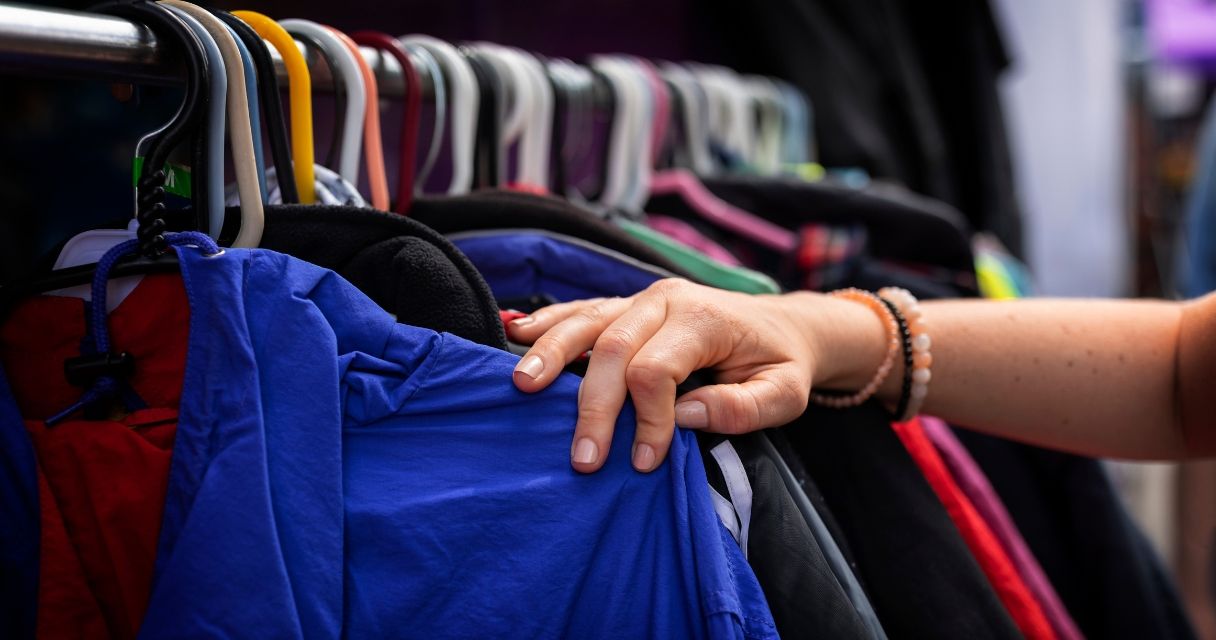
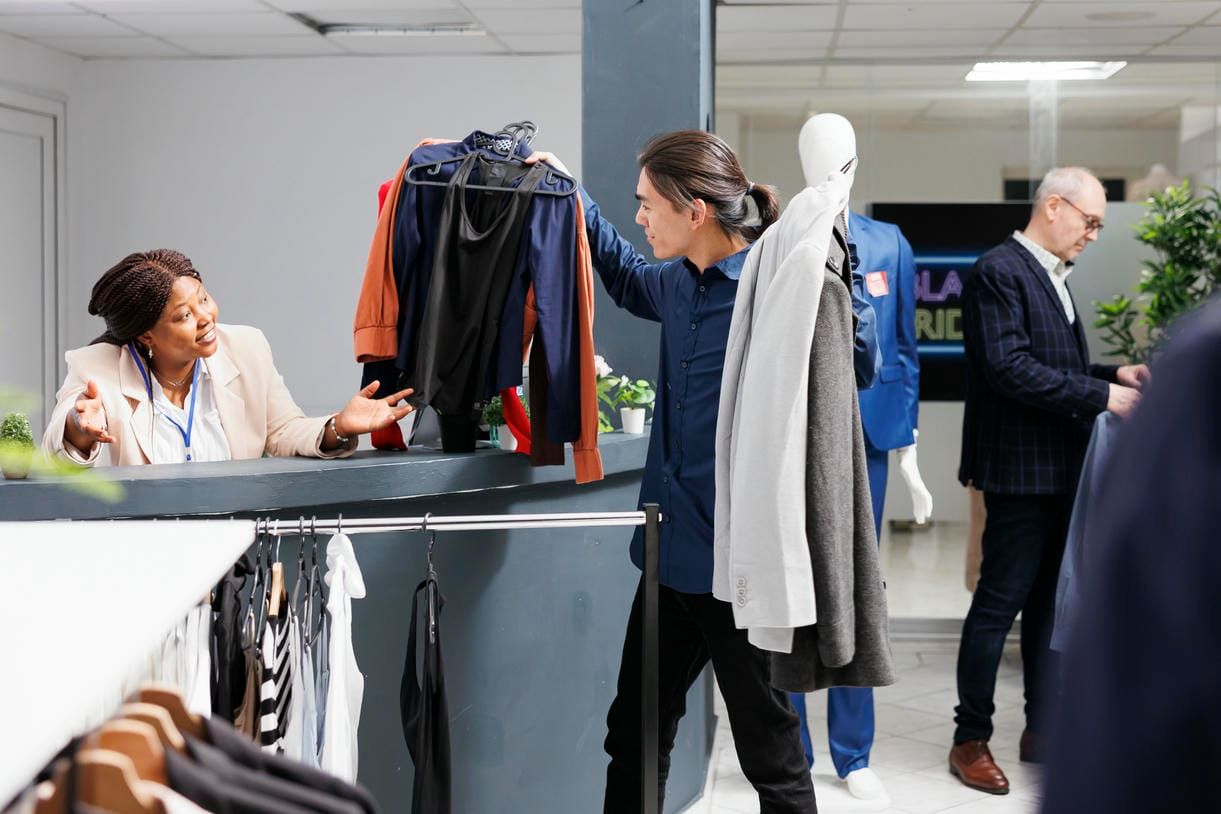
Tactile Shopping Experience: Many consumers still prefer to touch, feel, or try products before buying.
-
**Instant Gratification: **Physical stores cater to customers who want immediate possession of their purchases.
-
Blended Journeys: Shoppers increasingly research online but buy offline, making omnichannel strategies essential.
2. Brand-Building Opportunities
-
Increased Trust: A physical presence builds brand credibility, especially for first-time customers.
-
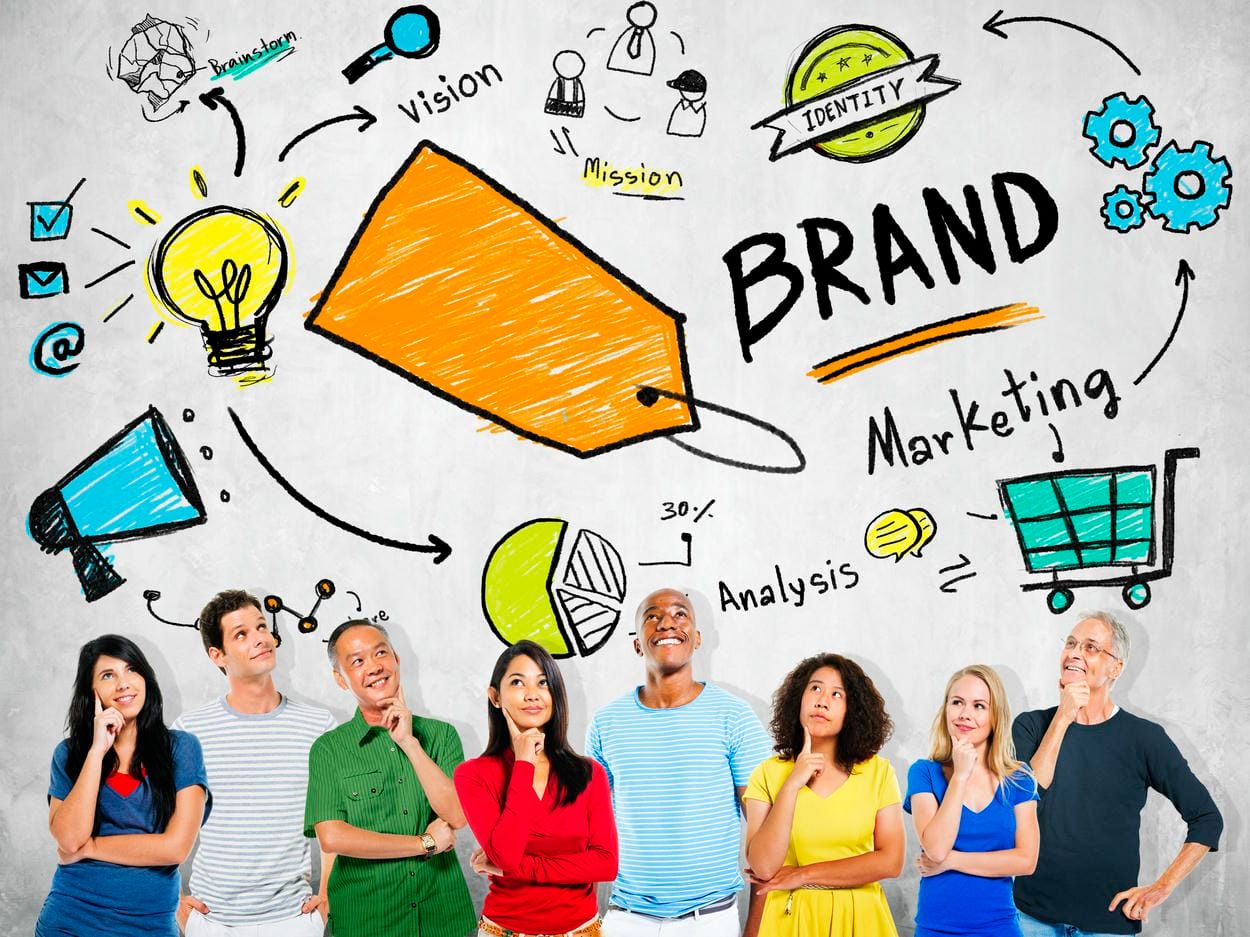
Immersive Branding: Stores create sensory experiences that reinforce the brand’s identity, from store design to ambiance.
-
Engaging Events: Physical spaces enable brands to host events, workshops, and exclusive launches, fostering community engagement.
3. Logistical Advantages
-
Local Fulfillment: Stores can double as micro-fulfillment centers, reducing shipping costs and delivery times.
-
Convenient Returns: In-store returns and exchanges offer convenience to customers while cutting reverse logistics expenses.
-
Cross-Selling Opportunities: Physical stores create chances for upselling or introducing customers to new products.
Notable Examples and Strategies
Amazon: Bridging Online and Offline
-
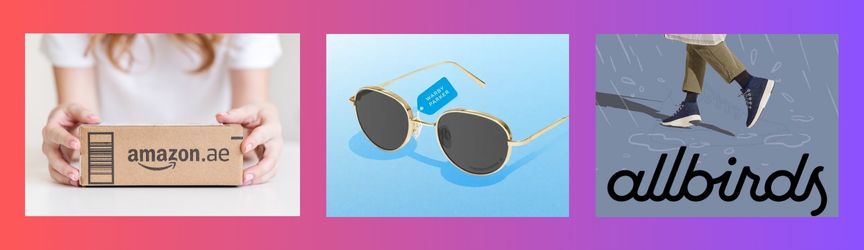
Stores Launched: Amazon Books, Amazon Go, and Amazon Style.
-
**Key Features: **Smart technology, no-checkout convenience, and showcasing Amazon products.
-
**Strategic Goal: **Enhance brand engagement while complementing online operations.
Warby Parker: From Clicks to Eyewear Boutiques
-
Reason for Expansion: To offer personalized services like eye exams and fitting assistance.
-
Impact: Physical stores now contribute significantly to revenue while reinforcing their brand’s accessibility and style.
Allbirds: Sustainability Meets In-Store Experiences
-
Physical Presence: The eco-friendly shoe brand expanded into stores to highlight its sustainable materials and design.
-
Tactics Used: Minimalistic, eco-conscious store designs that mirror the brand’s values and appeal to environmentally conscious customers.
Challenges of Transitioning to Physical Stores
-
High Costs: Leasing prime locations, designing stores, and managing operations require substantial investment.
-
Operational Expertise: Running physical stores demands different skill sets, including inventory management and customer service.
-
Location Strategy: Choosing the right location is crucial to capturing the target audience without oversaturating markets.
-
Consistency Across Channels: Brands must ensure a seamless customer experience between their online and offline platforms.
Predictions for the Future
-
Increased Hybrid Models: More e-commerce brands will adopt omnichannel approaches to meet consumers wherever they shop.
-
Tech-Integrated Stores: Expect innovations like augmented reality displays, smart fitting rooms, and mobile app-driven shopping experiences.
-
Sustainability in Retail: Physical stores will increasingly focus on sustainable practices, from store materials to operations, to align with consumer values.
-
Personalized Experiences: Leveraging customer data from online platforms, stores will offer hyper-personalized shopping experiences.
Conclusion
The move from clicks to bricks reflects the evolving nature of retail, where the best brands seamlessly blend digital efficiency with the sensory appeal of physical shopping. By understanding consumer behavior and leveraging the strengths of both worlds, e-commerce brands can unlock new growth opportunities. As this trend gains momentum, the future of retail lies not in choosing between online or offline but in integrating them to offer unparalleled customer experiences.
By embracing this shift, brands are redefining the shopping experience—proving that the future of retail is both digital and physical.
