E-commerce · July 11, 2024
E-commerce vs. Traditional Retail: The Blurring Lines
By Anika Sarder · Digital Marketing Specialist

Introduction
In the rapidly evolving world of commerce, the distinction between e-commerce and traditional retail is becoming increasingly blurred. This shift is not merely a reflection of technological advancements but a broader change in consumer preferences and market dynamics. Both e-commerce and traditional retail hold significant places in today’s economy, each offering unique advantages and facing distinct challenges. This article delves into the transformation of these sectors, exploring how they are converging in surprising and innovative ways. As we move forward, hybrid models are emerging that integrate the best features of both worlds, enhancing customer experiences and operational efficiencies. Retailers are adopting digital tools to create seamless shopping experiences, blurring the lines between online and offline interactions. This convergence also reflects a strategic response to the growing demand for convenience, personalization, and sustainability, reshaping the future landscape of retail.
Historical Context
Traditional Retail
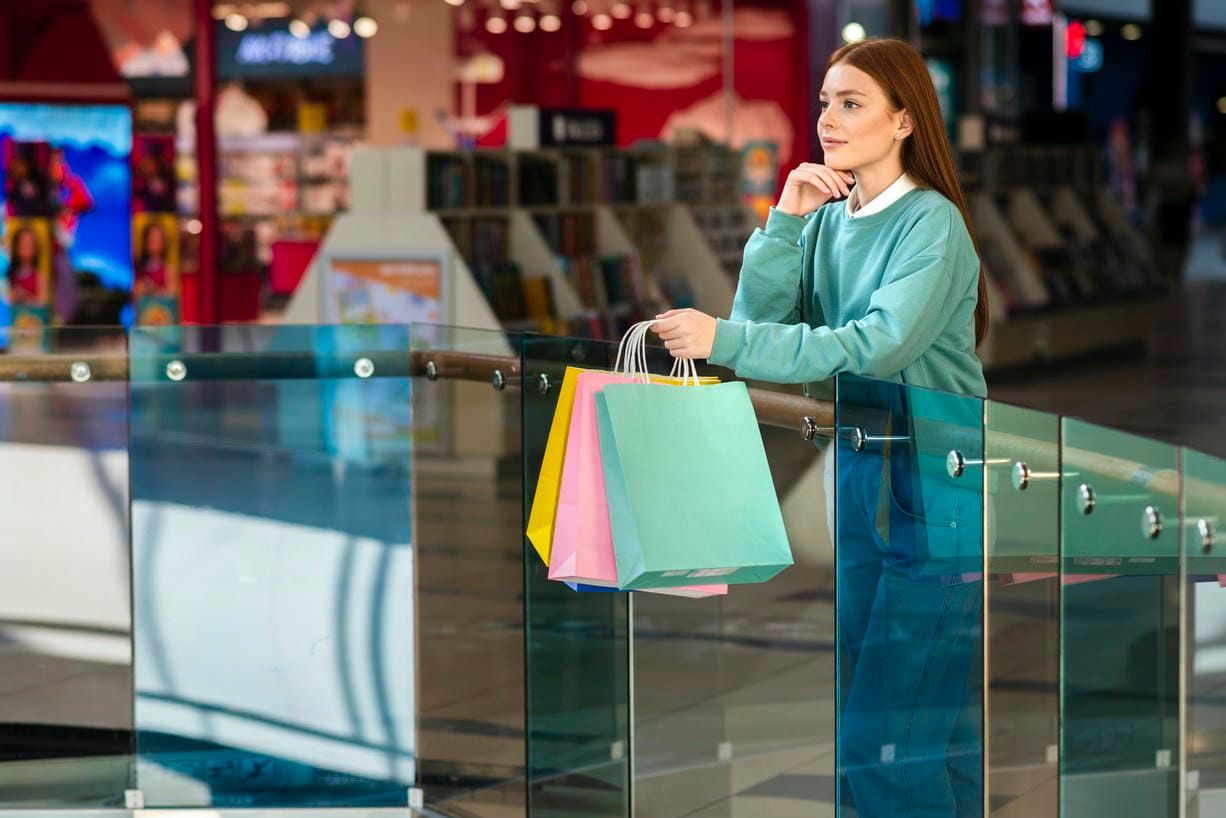
Traditional retail, characterized by physical stores, has been the cornerstone of commerce for centuries. From bustling bazaars to sprawling malls, this format has evolved to meet the changing needs of consumers. Key developments have included the rise of department stores in the 19th century, the spread of chain stores in the 20th century, and the creation of shopping malls. Today, traditional retailers are further innovating by incorporating technology like augmented reality and personalized shopping assistants to enhance the in-store experience. They are also adapting to the digital age by hosting events and experiences that cannot be replicated online, thus drawing customers back into physical stores. This evolution shows that traditional retail is not just surviving; it is evolving to remain relevant in the digital era. Moreover, sustainability practices are becoming increasingly important, with stores implementing eco-friendly policies and sourcing ethically produced goods to meet consumer demands for responsible business practices. This shift not only appeals to environmentally conscious shoppers but also positions traditional retail as a forward-thinking component of modern commerce.
E-commerce
Contrastingly, e-commerce is a product of the digital age, spurred by the advent of the internet in the 1990s. It began as an alternative to physical stores, offering convenience through online platforms. Early pioneers like Amazon and eBay introduced consumers to a new way of shopping that has since seen exponential growth, fueled by advancements in technology and consumer acceptance. As e-commerce continues to evolve, it leverages cutting-edge technologies such as artificial intelligence, machine learning, and big data to personalize shopping experiences and optimize logistics. Furthermore, the rise of mobile commerce has made online shopping even more accessible, allowing consumers to make purchases from anywhere at any time. These developments not only enhance convenience but also push the boundaries of what is possible in retail, setting new standards for consumer expectations and industry practices. Additionally, e-commerce platforms are exploring innovative delivery methods, including drones and autonomous vehicles, to further streamline the delivery process and reduce delivery times, making online shopping even more appealing and efficient for today’s fast-paced world.
Current Trends
Today, the lines between e-commerce and traditional retail are blurring through the integration of online and offline experiences. Omnichannel strategies are becoming the norm, with retailers striving to provide a seamless shopping experience across multiple platforms. Technologies like augmented reality (AR), virtual reality (VR), and AI-driven personalization are enhancing both online and in-store shopping experiences. The use of these technologies is not just about blending the physical and digital realms but also about creating a more engaging and personalized shopping journey. As a result, consumers can expect highly tailored recommendations and immersive experiences that make shopping more interactive and responsive to their individual preferences. Additionally, this technological integration helps retailers achieve greater operational efficiencies, reduce costs, and improve customer satisfaction by providing consistent service across all channels. Furthermore, real-time data analytics powered by AI are being used to optimize stock levels, predict trends, and customize promotions, ensuring that consumers receive the most relevant products and offers. This data-driven approach is revolutionizing inventory management and enhancing the overall efficiency of the retail supply chain.
Integration of Online and Offline Experiences

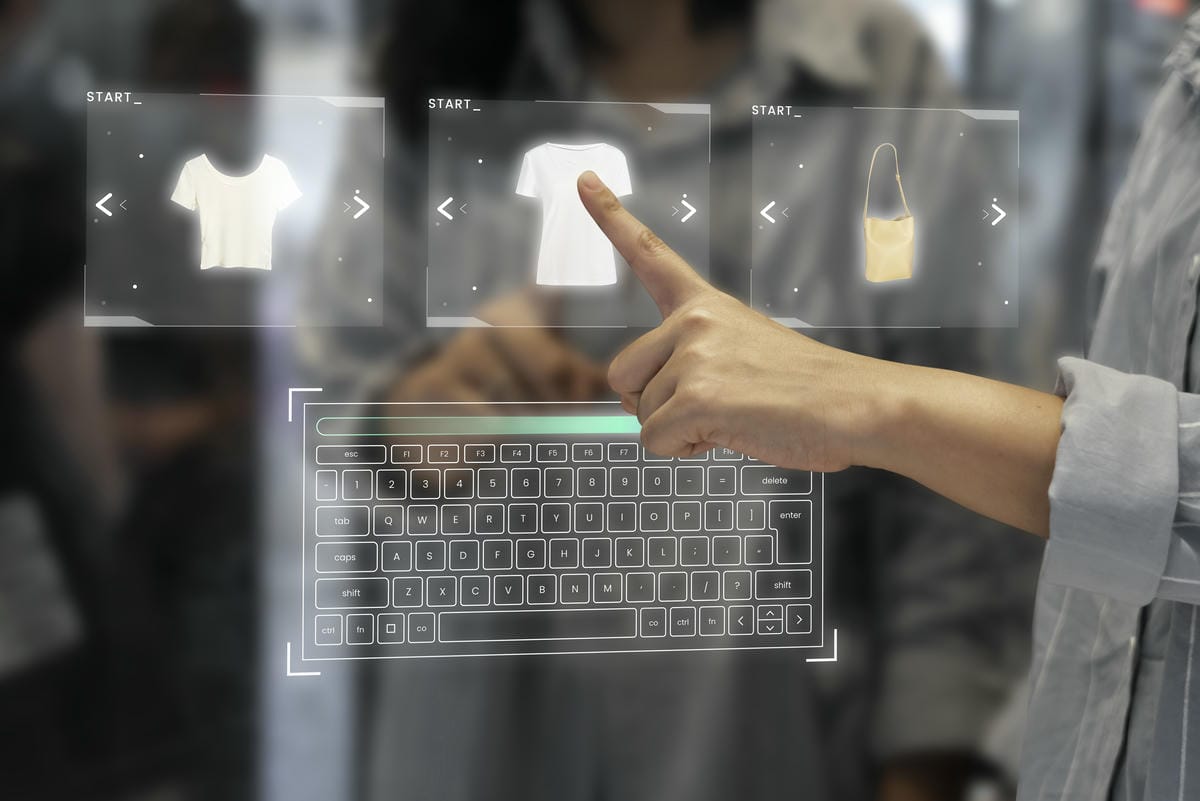
Stores are now using technologies such as interactive kiosks and mobile apps that offer in-store navigation, personalized promotions, and the ability to check stock in real-time. Conversely, e-commerce platforms are incorporating augmented reality features that allow customers to visualize products in their home environment before purchasing. This convergence enhances the overall customer experience by bridging the gap between digital browsing and physical shopping. Additionally, these innovations foster greater consumer confidence and satisfaction by enabling more informed purchasing decisions and personalized interactions at every point of the shopping journey. As retail continues to evolve, these technologies also provide vital data that retailers use to further refine customer service, optimize store layouts, and tailor marketing strategies to meet the ever-changing preferences of their consumer base.
Rise of Omnichannel Strategies
Omnichannel retailing involves a cross-channel content strategy that organizations use to improve their user experience and drive better relationships across all channel touchpoints. Examples include the ability for customers to buy online and pick up in-store (BOPIS) or receive loyalty rewards that are usable across all shopping channels. This strategy not only streamlines various aspects of the shopping process but also ensures consistency in customer service, whether the interaction occurs online, over the phone, or in person. Moreover, by leveraging customer data across these channels, retailers can offer more personalized shopping experiences and targeted promotions, increasing customer engagement and satisfaction. Furthermore, omnichannel retailing allows for seamless communication between different parts of a business, ensuring that inventory information, customer preferences, and purchase history are available regardless of the point of contact, leading to more efficient operations and enhanced customer loyalty.
Impact of Technology
Technology is at the heart of the convergence between e-commerce and traditional retail. AI algorithms predict purchasing behavior, and big data analytics help retailers stock products more efficiently. The Internet of Things (IoT) aids in inventory management and enhances customer service through connected devices. These technological advancements facilitate not only a deeper understanding of consumer trends but also allow for real-time adjustments in marketing strategies and inventory. Furthermore, advanced analytics and IoT technologies are being employed to streamline logistics and supply chain operations, significantly reducing delays and improving the accuracy of product availability information shared with customers. Additionally, the deployment of these technologies helps create a more dynamic retail environment where customer feedback can be quickly integrated into product offerings and service enhancements, fostering a more responsive and customer-centric shopping experience.
Consumer Behavior

The rise of e-commerce has dramatically shifted consumer behavior. Today’s consumers expect flexibility, convenience, and speed in their shopping experiences. They are more likely to research products online before making purchases and are increasingly favoring brands that offer both online and physical shopping options. This shift has compelled traditional retailers to adapt by integrating digital technologies into their business models, offering features like real-time inventory tracking and omnichannel customer service. As a result, the retail landscape is becoming more fluid, with the boundaries between online and offline shopping experiences becoming increasingly indistinct. Moreover, this evolution is pushing retailers to enhance their logistics and delivery systems to meet the demand for faster and more reliable service, ensuring that the modern consumer’s expectations for immediate gratification are met. Furthermore, this trend is driving innovations in payment solutions and customer engagement strategies, as retailers strive to create a seamless and highly personalized shopping journey that resonates with tech-savvy consumers across multiple platforms.
Traditional Retail’s Adaptation
In response, traditional retailers have adapted by enhancing their online presence, digitizing their operations, and integrating e-commerce functionalities into their business models. Personalized shopping experiences, loyalty programs, and enhanced customer service are just a few of the strategies being employed to retain customer interest and compete with purely online retailers. To further bridge the gap between online and physical stores, many are implementing click-and-collect services, where customers can order products online and pick them up in-store, often on the same day. This not only increases convenience for the shopper but also drives foot traffic to physical locations, providing additional opportunities for sales and enhanced customer interactions. Additionally, retailers are leveraging augmented reality and virtual reality to create immersive shopping experiences that can simulate the physical store environment online, giving customers a more robust way to view and interact with products from the comfort of their own homes.
Advantages and Disadvantages

E-commerce
Advantages: Convenience, wider product range, often lower prices, and accessibility for a global audience. These benefits make online shopping an attractive option for consumers who value the ability to shop anytime, anywhere. The expansive product range allows customers to compare products from different sellers within a few clicks, ensuring they find the best deal available. Moreover, online platforms often offer exclusive discounts and promotions that are not available in physical stores, further enhancing the appeal of shopping digitally. This global accessibility breaks down geographical barriers, allowing brands to reach a broader audience and customers to access products from around the world, thereby democratizing shopping in an unprecedented way.
Disadvantages: Lack of tactile experience, concerns over privacy and security, and sometimes higher return rates due to dissatisfaction or fitting issues. These challenges can hinder the online shopping experience for many consumers who prefer to see, touch, and try products before purchasing. To address privacy concerns, companies must implement robust cybersecurity measures and transparent data practices to build trust with their customers. Additionally, the higher return rates not only affect the profitability of businesses but also increase their carbon footprint due to additional shipping and packaging. Efforts to improve product descriptions, provide accurate visual representations, and utilize technology like AR for a ‘try before you buy’ experience are ongoing as retailers strive to minimize these disadvantages and enhance consumer satisfaction.
Traditional Retail
Advantages: Immediate product access, ability to try before buying, and a higher level of personal customer service. These benefits are significant drivers for consumers who value the immediacy and tactile nature of in-store shopping experiences. The ability to walk out of a store with a product in hand offers instant gratification that online shopping can’t match. Additionally, the physical interaction with products allows customers to make more informed decisions, reducing the likelihood of returns due to dissatisfaction. Personal customer service also adds a layer of trust and comfort, as customers can receive expert advice and immediate answers to their questions, creating a more engaging and reassuring shopping environment.
Disadvantages: Higher operational costs, limited inventory compared to online, and constrained by location. These factors can significantly impact the competitiveness of physical stores. The overheads associated with maintaining a physical space, such as rent, utilities, and staff salaries, are considerably higher than those of an online-only operation. Limited inventory space can also restrict the variety of products a store can offer, potentially driving customers to online competitors who provide a broader selection. Furthermore, being constrained by location means that physical stores can only serve customers within a certain geographical area, limiting their market reach compared to online stores that can serve a global audience.
Case Studies

Case Study 1: Nordstrom
Nordstrom has successfully integrated e-commerce and traditional retail by leveraging its online platform to drive traffic to stores and vice versa. Their strategy includes services like online order pickups and returns in-store, and using their stores as showrooms for online shoppers. This approach enhances customer convenience and provides a seamless shopping experience, blending the best aspects of both online and physical retail. Additionally, Nordstrom utilizes its physical locations to fulfill online orders, which helps to reduce shipping times and costs. This integration allows the company to maintain a strong presence in both realms, attracting a broader customer base and fostering loyalty by meeting diverse shopping preferences. The strategy also includes personal shopping sessions and virtual styling services, which further personalize the shopping experience and strengthen customer engagement.
Case Study 2: Warby Parker
Originally an online-only eyewear retailer, Warby Parker expanded into physical retail. Their stores contribute to a holistic brand experience that complements their online presence, offering in-person services like eye exams and immediate adjustments. This expansion allows customers to experience the brand’s commitment to quality and service firsthand. The physical stores serve as touchpoints where customers can interact with the products, receive personalized service, and find their perfect fit with professional help, which enhances customer satisfaction and brand loyalty. Furthermore, the physical locations help increase brand visibility and credibility, as they provide a tangible presence that reassures customers about the quality and reliability of the products. This strategic blend of online and offline elements fosters a more integrated and accessible shopping experience, driving both sales and customer engagement.
Future Outlook
The future of retail will likely see even greater integration of technology, with innovations such as AI and machine learning leading to more personalized shopping experiences. As retailers adapt to these changes, the customer will continue to be at the center of strategies, whether shopping online or in-store. This focus on personalization will extend to every aspect of the retail experience, from tailored product recommendations to individualized marketing messages that resonate with specific consumer preferences. Moreover, the use of data analytics will become even more sophisticated, allowing retailers to predict consumer behavior with greater accuracy and adjust their offerings in real-time to meet shifting demands. These technological advancements will not only enhance the efficiency of operations but also create a more dynamic and responsive shopping environment that can rapidly evolve to meet the needs and expectations of modern consumers. Additionally, advancements in technology will facilitate smoother transactions and more seamless interactions across various channels, ensuring that the integration of online and offline experiences continues to evolve. This will likely lead to an even more cohesive and harmonious customer journey, enhancing satisfaction and loyalty.
Conclusion
As we witness the ongoing evolution of the retail landscape, the boundary between e-commerce and traditional retail will continue to blur. The successful retailers of tomorrow will be those that can best integrate these two worlds, delivering seamless and personalized experiences that meet the high expectations of modern consumers. The future of retail is not about choosing between online or offline; it’s about merging them in ways that are mutually beneficial and oriented towards the ever-evolving preferences of the consumer. In this integrated model, technology plays a pivotal role in enhancing both the efficiency and personalization of the shopping experience. Retailers who harness the power of emerging technologies such as blockchain for transparency, advanced analytics for customer insights, and IoT for enhanced operational capabilities will be better positioned to thrive. Such advancements will not only optimize supply chains but also revolutionize customer interactions and satisfaction by providing smarter, faster, and more engaging shopping experiences. Furthermore, retailers will continue to innovate in customer service, with AI-driven support systems that can offer real-time assistance and problem-solving capabilities, making shopping more convenient and reducing friction points for consumers. This will enable a more responsive and adaptive retail environment that can swiftly adjust to changes in consumer behavior and market conditions.
