E-commerce · October 10, 2024
Designing E-commerce Platforms for Generation Z
By Anika Sarder · Digital Marketing Specialist

Introduction
As the digital landscape evolves, so do the consumers who navigate it. Generation Z, the cohort born between the mid-1990s and early 2010s, is redefining online shopping with their unique preferences and behaviors. For businesses aiming to capture this market, understanding and catering to Gen Z’s expectations is crucial. This article delves into the key aspects of designing e-commerce platforms that resonate with Generation Z.
Understanding Generation Z
Generation Z is the first generation of true digital natives. Growing up with smartphones, high-speed internet, and social media, they are inherently tech-savvy and highly connected. This constant connectivity has shaped their behaviors in profound ways:
-
**Multitasking Masters: **Gen Z seamlessly navigates multiple devices and platforms, often engaging with several forms of media simultaneously.
-
Information Seekers: With a wealth of information at their fingertips, they research extensively before making purchasing decisions.
-
**Value-Driven Consumers: **They prioritize authenticity, transparency, and alignment with personal values over brand loyalty.
-
Preference for Visual Content: Platforms like Instagram, TikTok, and YouTube are their go-to sources for content consumption.
Compared to Millennials and previous generations, Gen Z expects instant gratification and highly personalized experiences. Traditional marketing tactics are less effective; instead, they respond to interactive and immersive engagements.

Key Characteristics of Generation Z
-
Mobile Preference: Gen Z overwhelmingly favors mobile devices for browsing and shopping. They expect mobile experiences to be as robust and user-friendly as desktop versions.
-
Short Attention Spans: With an attention span averaging around 8 seconds, capturing their interest quickly is crucial. Content must be engaging and to the point.
-
Demand for Speed and Efficiency: Patience is not a virtue commonly found in Gen Z consumers. They expect fast loading times, quick responses, and efficient service.
-
Desire for Authenticity: Gen Z values transparency and authenticity from brands. They are more likely to support companies that align with their values and beliefs.
-
Visual and Interactive Engagement: Highly visual content, interactive interfaces, and immersive experiences resonate strongly with this generation.
Key Design Elements for E-commerce Platforms
To capture the attention and loyalty of Gen Z, e-commerce platforms must be thoughtfully designed with their preferences in mind.
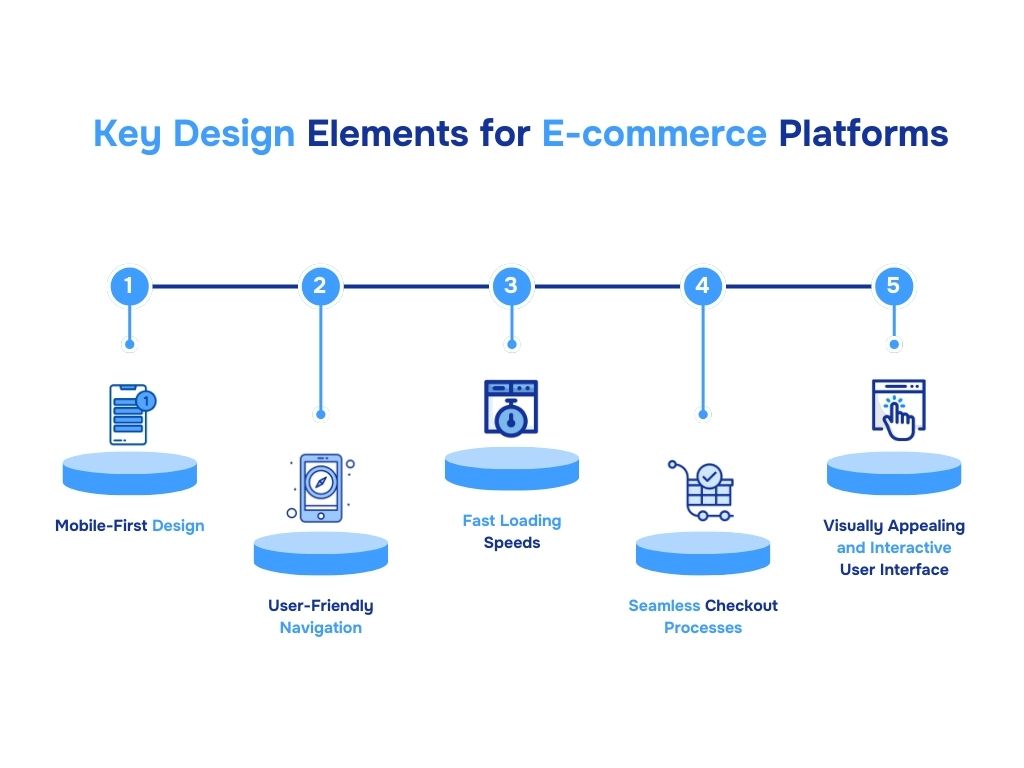
Mobile-First Design
-
Responsive Design: Ensure your website is fully responsive, providing an optimal experience on all devices, especially smartphones.
-
Simplified Navigation: Use clear menus and intuitive icons to make browsing effortless on smaller screens.
-
Thumb-Friendly Interactions: Design interfaces that are easy to navigate with one hand, considering the common use of thumbs for scrolling and tapping.
User-Friendly Navigation
-
Clear Categorization: Organize products into logical categories and subcategories for easy discovery.
-
Robust Search Functionality: Implement advanced search features with filters, autocomplete suggestions, and error tolerance for misspellings.
-
Consistent Layouts: Maintain consistent page layouts to help users become familiar with your site structure quickly.
Fast Loading Speeds
-
Optimize Media: Compress images and videos without sacrificing quality to reduce load times.
-
Efficient Coding: Minimize code bloat by eliminating unnecessary scripts and leveraging asynchronous loading where appropriate.
-
Content Delivery Networks (CDNs): Use CDNs to ensure faster content delivery by reducing the physical distance between the server and the user.
Seamless Checkout Processes
-
Guest Checkout Options: Allow users to make purchases without creating an account to reduce friction.
-
Auto-Fill and Save Information: Utilize auto-fill forms and offer to save payment and shipping information securely for returning customers.
-
**Multiple Payment Methods: **Provide various payment options, including digital wallets like Apple Pay, Google Pay, and even cryptocurrency where applicable.
Visually Appealing and Interactive User Interface
-
High-Quality Visuals: Use professional images and videos to showcase products from multiple angles and in use.
-
Interactive Elements: Incorporate features like image zoom, 360-degree views, and product customization options.
-
Personalization and Customization: Offer personalized recommendations based on browsing history and allow users to customize products to their preferences.
Social Media Integration and Community Building
Valuing Social Connectivity
Gen Z is deeply influenced by social media, and integrating these platforms into your e-commerce experience is essential.
Social Media Integration
-
Shareable Content: Enable easy sharing of products and wish lists directly to platforms like Instagram, TikTok, and Snapchat.
-
Social Login: Allow users to sign up or log in using their social media accounts for a quicker, hassle-free process.
-
Shoppable Posts: Integrate your product catalog with social media platforms to allow direct purchases from posts and stories.
Fostering Community Engagement
-
User-Generated Content (UGC): Encourage customers to share their own photos and reviews of your products. Feature this content on your site to build trust and authenticity.
-
Influencer Collaborations: Partner with influencers who resonate with Gen Z to promote your products in a relatable and authentic manner.
-
Interactive Campaigns: Run contests, challenges, or hashtags that encourage user participation and sharing.
The Role of Emerging Technologies
Embracing cutting-edge technologies can significantly enhance the online shopping experience for Gen Z consumers.

Augmented Reality (AR)
-
**Virtual Try-Ons: **Allow customers to virtually try on clothing, accessories, or makeup, bridging the gap between online and in-store experiences.
-
Space Visualization: For home goods, enable users to see how items would look in their own space using AR.
Artificial Intelligence (AI)
-
Personalized Recommendations: Use AI algorithms to analyze user behavior and preferences to suggest relevant products.
-
Chatbots and Virtual Assistants: Provide instant customer service and support through AI-powered chatbots that can handle inquiries 24/7.
Virtual Reality (VR)
-
Immersive Shopping Experiences: Create virtual stores or showrooms where customers can explore products in a simulated environment.
-
Interactive Product Demonstrations: Use VR to give customers a deeper understanding of complex products through interactive experiences.
Sustainability and Ethical Commerce

The Importance of Social Responsibility
Gen Z places a high value on sustainability and ethical business practices. They are more likely to support brands that demonstrate a commitment to these principles.
Demonstrating Eco-Friendliness
-
Sustainable Materials: Use eco-friendly materials in your products and packaging.
-
Transparent Supply Chains: Provide information about where and how products are made, emphasizing fair labor practices.
-
Environmental Initiatives: Participate in or support environmental causes, and communicate these efforts to your customers.
Social Impact
-
Ethical Sourcing: Ensure that your products are sourced ethically, avoiding suppliers that exploit labor or harm the environment.
-
Community Engagement: Involve your brand in community projects or charitable activities that resonate with Gen Z values.
-
Authentic Storytelling: Share the stories behind your products and initiatives to build a genuine connection with your audience.
Future Trends
Predicting the Future of E-commerce Design for Gen Z

As technology continues to evolve, so too will the expectations of Gen Z consumers. Staying ahead of these trends is crucial for businesses aiming to capture this market.
AI-Driven Chatbots and Personalization
-
Advanced Customer Support: Chatbots will become more sophisticated, providing personalized assistance and proactive support.
-
Hyper-Personalization: AI will enable even more tailored shopping experiences, predicting needs before customers are even aware of them.
Voice Commerce
-
Voice-Activated Shopping: With the rise of voice assistants like Siri and Alexa, optimizing for voice search and enabling voice-activated purchases will become increasingly important.
-
Natural Language Processing: Improved AI understanding of natural language will make interactions more seamless and intuitive.
Blockchain for Secure Payments
-
Enhanced Security: Blockchain technology can provide more secure and transparent transactions, building trust with tech-savvy Gen Z consumers.
-
Cryptocurrency Adoption: As digital currencies become more mainstream, offering cryptocurrency payment options could appeal to early adopters within Gen Z.
Embracing Innovation
-
Continuous Adaptation: Businesses must remain agile, continuously updating their platforms with the latest technologies and features.
-
Customer Feedback Loops: Actively seek and incorporate feedback from Gen Z customers to stay aligned with their evolving preferences.
Actionable Insights for Developers and Business Owners

-
Audit Your Mobile Experience: Regularly test and optimize your platform on various mobile devices to ensure a flawless user experience.
-
Invest in Emerging Technologies: Start small by integrating AR for product visualization or implementing AI chatbots for customer service.
-
Enhance Social Media Presence: Leverage social media not just for marketing but as an integral part of the shopping experience.
-
Commit to Transparency: Be open about your business practices, and don’t be afraid to share both successes and areas for improvement.
-
Build a Community: Create spaces for your customers to interact with your brand and each other, fostering loyalty and engagement.
**Conclusion **
Designing e-commerce platforms for Generation Z is not just about adopting the latest trends but understanding the underlying values and expectations of this generation. By focusing on mobile optimization, seamless user experiences, social integration, technological innovation, and ethical practices, businesses can create compelling platforms that not only attract Gen Z consumers but also build lasting relationships with them.
Embrace the opportunity to innovate and connect on a deeper level with a generation that is set to become the largest consumer group globally. The future of e-commerce is not just online—it’s interactive, immersive, and ethically conscious.
