E-commerce · July 2, 2024
Combating Fraud in E-Logistics: Strategies for Secure Transactions and Deliveries
By Anika Sarder · Digital Marketing Specialist

Introduction
In our interconnected digital economy, e-logistics stands as a critical backbone, supporting countless transactions and deliveries every day. As businesses increasingly depend on electronic logistics to manage their supply chains and customer deliveries, the importance of robust security measures cannot be overstated. This article delves into the pressing need for secure transactions and deliveries within the e-logistics sector, ensuring that businesses can operate with confidence and consumers can shop with peace of mind. The rapid growth of e-commerce and global trade further amplifies the demand for enhanced security protocols that can keep pace with the increasing scale and complexity of online transactions and logistics networks. In this fast-evolving landscape, staying ahead of potential threats and vulnerabilities is not just advantageous—it’s imperative for maintaining trust and ensuring sustainable business growth. As we continue to navigate through the digital age, the strategic implementation of advanced security measures will be pivotal in defining the resilience and efficiency of e-logistics systems worldwide.

Types of Fraud in E-Logistics
Fraud in e-logistics manifests in several forms, each potentially damaging to business operations and customer trust. Identity theft involves fraudsters impersonating customers or businesses to intercept or reroute deliveries. Payment fraud includes the use of stolen credit card details or manipulated payment gateways to purchase goods illegally. Delivery scams may involve the falsification of delivery records or the theft of goods en route to their destination. These fraudulent activities not only lead to financial losses but also damage the reputation of companies involved. In addition to these, the digital nature of transactions often opens the door to sophisticated cyber attacks, such as phishing and malware, further complicating the security landscape. Thus, strengthening defenses against such diverse threats becomes crucial for maintaining operational integrity and customer confidence in the e-logistics chain. Moreover, the expansion of international e-commerce increases exposure to cross-border fraud, making comprehensive global security protocols and cooperation between countries and companies more essential than ever.
Strategies for Secure Transactions
Technological Solutions
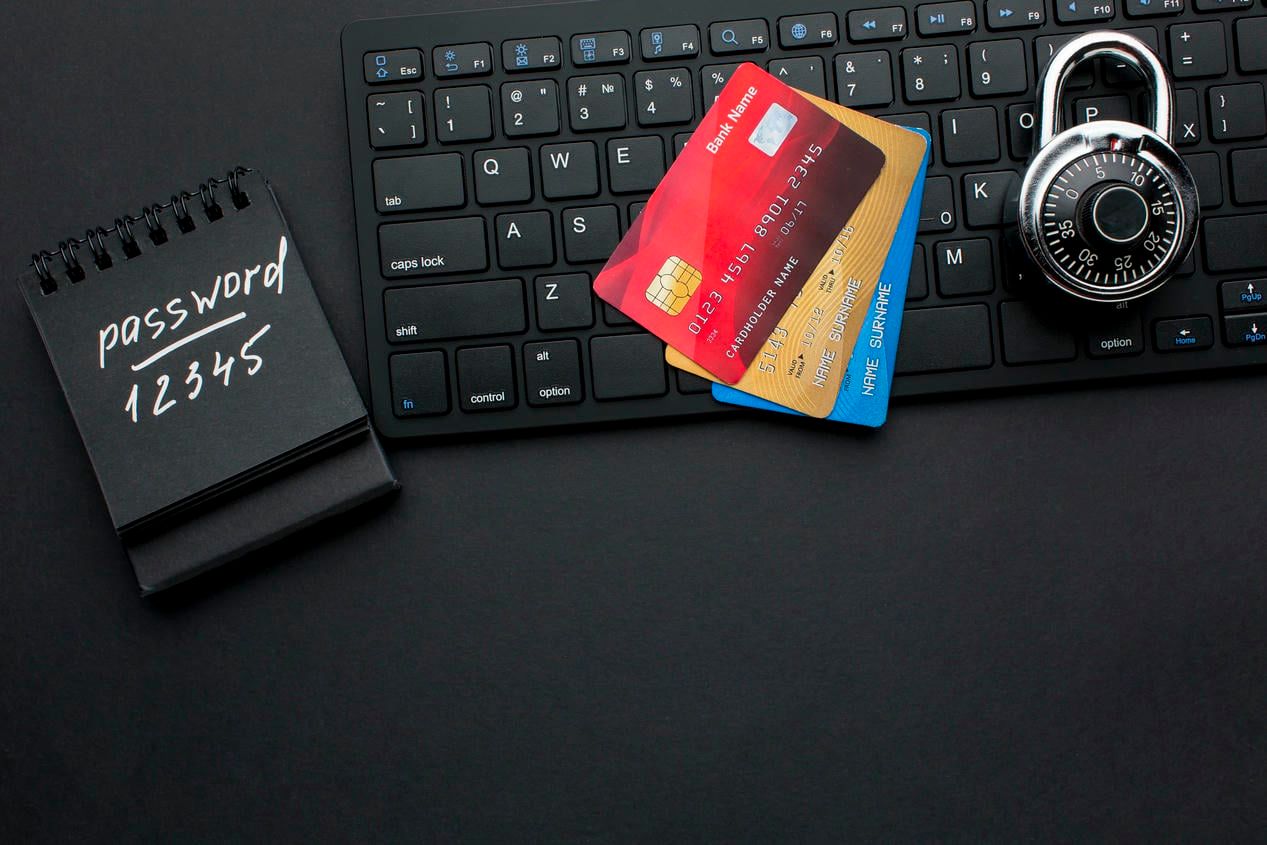
To safeguard against these risks, embracing advanced technologies is crucial. Encryption technology ensures that all data transmitted during a transaction remains secure from unauthorized access. Blockchain offers a decentralized and tamper-proof system, ideal for recording transactions transparently and securely. Furthermore, integrating secure payment gateways that comply with international security standards (such as PCI DSS) can significantly reduce the risk of payment fraud. Additionally, the implementation of machine learning algorithms can help detect and prevent fraudulent activities by identifying patterns and anomalies that deviate from normal transaction behaviors. This proactive approach not only enhances security but also improves the efficiency of the transaction process, ensuring a safer e-logistics environment for all parties involved. Beyond these measures, the use of biometric verification techniques like fingerprint scanning and facial recognition is gaining traction, providing another layer of security by verifying the identities of individuals engaging in transactions, thereby reducing the risk of identity fraud even further.
Best Practices
On the procedural front, multi-factor authentication (MFA) provides an additional layer of security, verifying the identity of users before allowing access to sensitive information or systems. Regular security audits and compliance checks should also be part of a company’s routine to ensure all security measures are up-to-date and effective. To enhance these practices, companies can adopt continuous monitoring technologies that automatically detect and alert on security anomalies in real time. This ongoing vigilance helps to swiftly address potential vulnerabilities and prevents the exploitation of systems before significant damage can occur. Implementing comprehensive training programs for employees on security best practices and emerging threats is equally important to fortify the human element of cyber defense. Furthermore, establishing a robust incident response plan enables businesses to react decisively and effectively in the event of a security breach, minimizing potential impacts and restoring operations swiftly.
Strategies for Secure Deliveries

Enhancing Delivery Security
To combat delivery scams and theft, several methods can be implemented. GPS tracking allows companies and customers to track the real-time location of their orders, ensuring transparency throughout the delivery process. Secure packaging and tamper-evident seals can help in deterring or indicating unauthorized access to shipped goods. In addition to these measures, the use of smart locks and one-time password systems for package deliveries can further secure goods until they reach the rightful recipient. These systems ensure that packages are only accessible to those who have the correct code, which is typically sent to the customer’s mobile device just before delivery. Moreover, implementing video surveillance at critical points along the delivery route can provide visual confirmation and deter potential tampering or theft.
Reliable Services and Verification
Employing reliable courier services known for their stringent security measures is vital. Additionally, implementing a customer verification process before and at the time of delivery can help prevent identity theft and ensure that goods reach their rightful recipient. This verification process can include requiring customers to present valid identification or a unique delivery code sent to their mobile devices. Leveraging biometric verification methods, such as fingerprint or facial recognition technology, can further enhance the security of the delivery process. Establishing clear communication channels between the courier service and the customer, including delivery notifications and real-time updates, can also help in promptly addressing any discrepancies or issues that may arise during delivery. Moreover, incorporating feedback mechanisms where customers can report any irregularities or concerns about their delivery experience can provide valuable insights for continuous improvement. Ensuring that couriers are well-trained in security protocols and customer service can also contribute to a smoother, more secure delivery process.
Case Studies

XYZ Logistics
XYZ Logistics implemented a blockchain-based transaction system that dramatically reduced incidents of payment fraud. By making each transaction transparent and immutable, they were able to trace every payment back to its source and ensure its legitimacy. This system also allowed for real-time verification of transactions, significantly speeding up the payment process and reducing the likelihood of delays caused by fraud investigations. Additionally, the blockchain technology provided a comprehensive audit trail, enabling XYZ Logistics to quickly identify and address any irregularities. The company also integrated smart contracts into their system, automating many transactional processes and ensuring that all conditions of a sale were met before finalizing payments. This level of automation not only increased efficiency but also minimized human error, further enhancing the security and reliability of their transactions. As a result, customer trust and satisfaction improved, leading to increased business and a stronger market reputation for XYZ Logistics.
ABC Shipments
ABC Shipments introduced GPS tracking for all deliveries along with biometric authentication for their delivery staff. This approach not only reduced theft and lost parcels but also enhanced customer trust, as consumers could view the delivery progress in real-time. By implementing GPS tracking, ABC Shipments provided customers with precise delivery windows and allowed them to monitor their packages from dispatch to arrival. Biometric authentication ensured that only authorized personnel could handle deliveries, significantly lowering the risk of internal fraud and mismanagement. The company also implemented real-time alerts and notifications, keeping customers informed at every stage of the delivery process. Additionally, ABC Shipments invested in secure, tamper-proof packaging to further safeguard goods during transit. These combined measures resulted in a marked decrease in delivery-related complaints and losses, boosting overall customer satisfaction and loyalty. The data collected from GPS tracking and biometric systems also enabled ABC Shipments to analyze and optimize their delivery routes and processes, leading to increased operational efficiency and cost savings.
Conclusion
The strategies discussed herein highlight a multi-faceted approach necessary to combat fraud in e-logistics. While technology provides powerful tools, the human element—through rigorous processes and vigilant monitoring—remains indispensable. Businesses must continually evolve their strategies to stay ahead of fraudsters, integrating the latest technological advancements and refining operational procedures.
For businesses in the e-logistics field, the adoption of these strategies is not just beneficial but essential. Staying informed about the latest trends in security and actively participating in industry discussions can help companies protect themselves and their customers. Let’s work together to build a safer, more secure digital economy for everyone involved.
