Design · June 3, 2024
Breaking Down the Design Location: How Top Designers Approach New Projects
By Anika Sarder · Digital Marketing Specialist

Introduction
In the world of design, a structured process isn’t just beneficial—it’s essential. The journey from an idea to a fully realized product involves numerous steps, each critical to the project’s success. This article delves into the methodologies top designers employ from the get-go of a new project. By unpacking these strategies, we aim to provide valuable insights that both novice and experienced designers can apply in their own projects.

Understanding the Brief
The initial phase of any design project is about understanding the brief. This stage is pivotal as it sets the groundwork for all that follows. Top designers start by engaging in comprehensive discussions with clients to ensure alignment on vision and expectations. Research plays a critical role here, involving thorough market analysis and gathering insights about the target audience and project constraints. The goal is to grasp not just what the client wants, but why they want it, setting a clear path forward.
Research and Inspiration
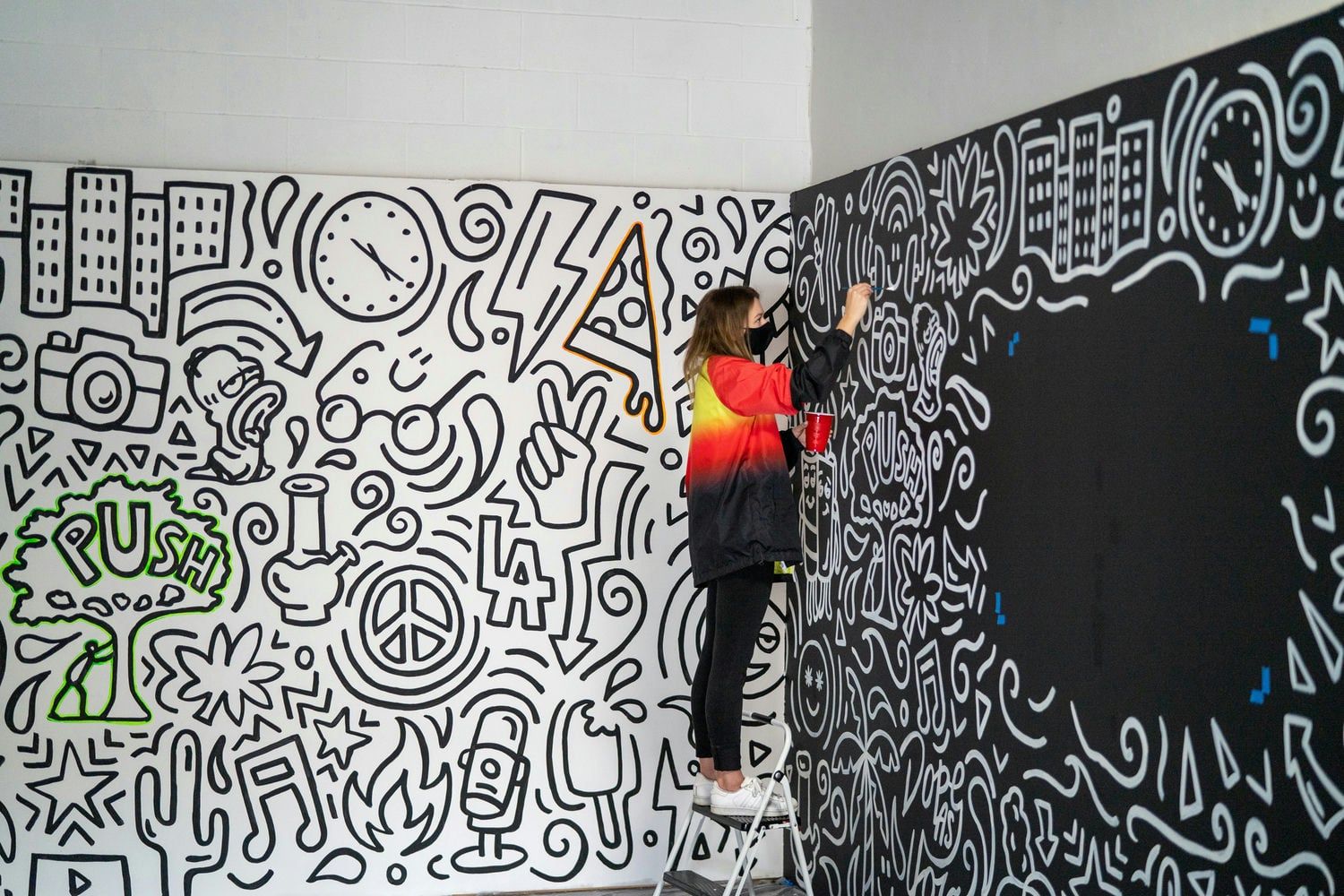
Once the brief is clear, designers dive into a phase of exploration and inspiration. This involves a broad spectrum of activities, from market analysis to competitor evaluation, and studying the latest design trends. Tools like mood boards and sketches come into play, helping to visualize ideas and themes. Brainstorming sessions, often collaborative, are crucial as they foster the generation of innovative ideas and solutions.
Concept Development
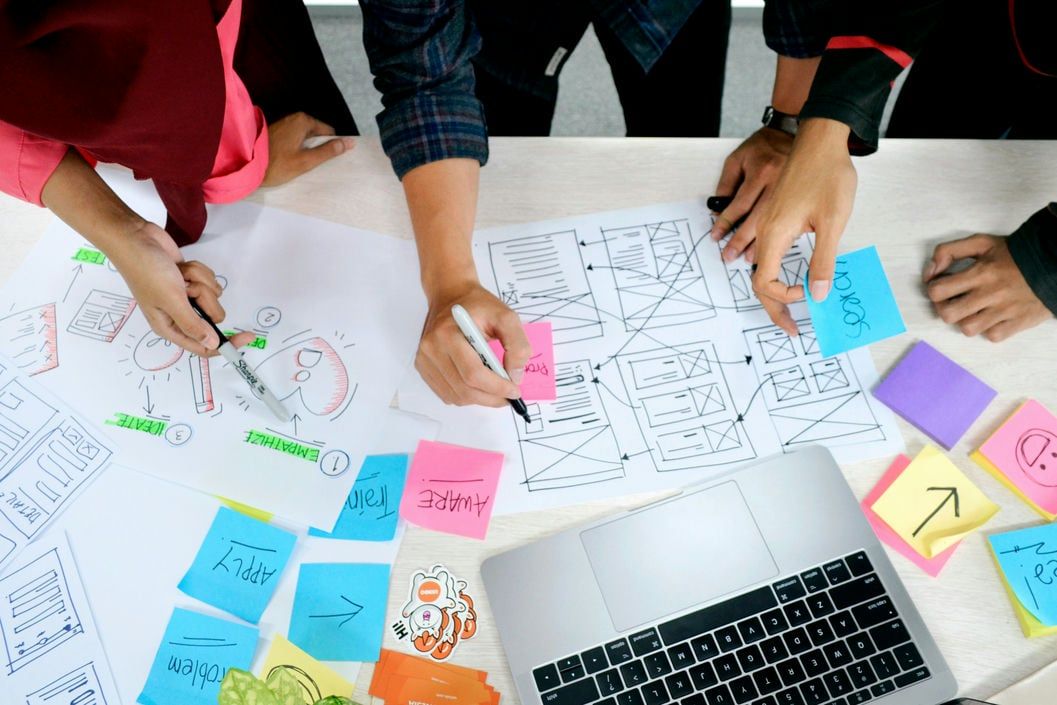
With a solid foundation of research and inspiration, designers begin shaping their initial concepts. This stage is characterized by iteration and refinement. Ideas are fleshed out with wireframes and prototypes, using design software to bring concepts closer to reality. Feedback is sought continuously, often leading to several rounds of revisions. This iterative process ensures that the design not only meets the brief but also remains innovative and functional.
Design Execution
The execution phase is where concepts are transformed into concrete designs. Decisions on color schemes, typography, and other visual elements are finalized. Top designers maintain a keen focus on ensuring that every aspect of the design aligns with the overall project goals and client expectations. This stage requires a meticulous attention to detail to ensure that the final product is not only aesthetically pleasing but also highly functional.
Collaboration and Feedback
Design is rarely a solitary endeavor. Throughout the process, collaboration with other team members, stakeholders, and clients is vital. Regular feedback sessions are integral, providing critical insights that may necessitate tweaks or even significant changes. This collaborative spirit ensures that the project remains on track and adjustments are made swiftly and efficiently.
Finalization and Delivery
As the project nears completion, the focus shifts to finalizing the design and preparing all deliverables for implementation. Quality assurance is paramount, with rigorous checks to ensure every element is polished and performs as intended. Once everything meets the highest standards of quality and receives the final nod from the client, the project is ready for delivery.
Conclusion
The design process is a complex journey that requires discipline, creativity, and a structured approach. Each phase, from understanding the brief to final delivery, plays a crucial role in the success of a project. By adopting these methods, designers ensure that their projects not only meet client expectations but also push creative boundaries. Whether you are just starting out or are a seasoned professional, embracing these practices can significantly enhance your design outcomes. Remember, great design is not just about good ideas; it’s about how those ideas are realized.
